Israel's 2 Million Arab Citizens Face a Difficult Choice on Election Day
A new plan to build 40 settlements in the Naqab and recent police expansions have led many Palestinian citizens to question if voting will change their daily lives.
By Elena Castillo ·
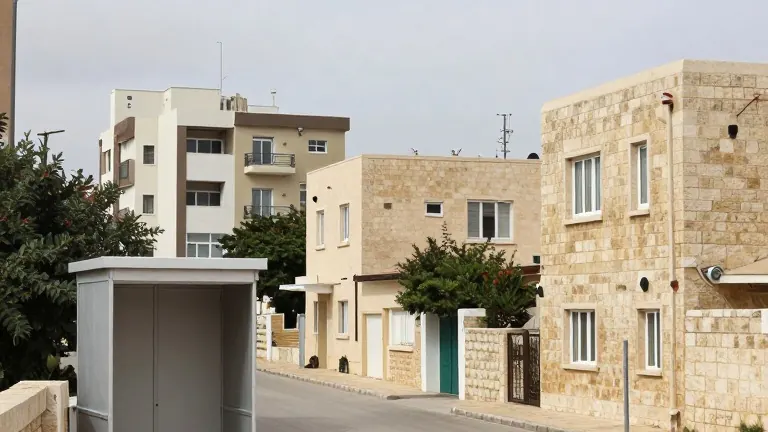
Israeli citizens of Palestinian descent face a distinct set of challenges ahead of Tuesday's general election. While most voters choose between Prime Minister Benjamin Netanyahu and former general Gadi Eisenkot, the 20 percent of the population with Palestinian identity often feel their vote carries less weight. Many worry that the political center is drifting further right, bringing new threats to their civil rights and local communities.
The current political climate has intensified anxieties about safety and land ownership. Palestinian towns are seeing more violence, and settlers are moving into neighborhoods that were previously exclusively Arab. The government has also proposed expanding the National Guard, a force created after the 2021 Dignity Uprising, to manage civilian policing. This shift worries residents who fear the military will play a larger role in their daily lives.
This tension builds on a long history dating back to 1948. The Palestinians who remained in their homes after the state's creation received citizenship in 1952. Martial law was lifted in 1966, but many argue that formal citizenship did not fix the underlying inequalities. For decades, the state has used land confiscation and educational controls to shape how these citizens identify. Many still face discriminatory laws and underfunded public services.
A major factor in the current election is a new housing plan. In August, Finance Minister Bezalel Smotrich announced a proposal to add one million Jewish residents to the Naqab and northern Israel. The plan calls for 40 new settlements and dozens of farms. It also includes expanding existing communities and building hundreds of thousands of new homes. Critics say this extends the model of territorial control used in the West Bank into areas where Palestinian populations are concentrated.
The issue of security is also central to the debate. National Security Minister Itamar Ben-Gvir has issued 300,000 gun licenses since taking office. He has also pushed for the integration of settler security squads into the state's broader security framework. These changes have led to more civilian policing and a higher presence of armed groups in Palestinian towns. This has made the distribution of power feel more unequal to many residents.
Political parties that represent Palestinian citizens have faced criticism for their track record. The United Arab List, led by Mansour Abbas, previously joined a coalition government in 2021 that excluded Netanyahu. That coalition collapsed without delivering major changes to the conditions of Palestinian citizens. In 2022, party member Mazen Ghnaim admitted he could not push through beneficial policies despite being part of the ruling team. This experience has led many voters to doubt if supporting the opposition will lead to real policy shifts.
Many Palestinian citizens are preparing to vote anyway, believing that four more years of far-right rule could pose immediate threats to their rights. However, there is a growing sense that voting alone is not enough. Community leaders are calling for stronger grassroots organizing and a reform of the High Follow-Up Committee for Arab Citizens. They want to build a political response that challenges the structural discrimination they face, rather than relying solely on the national ballot box.
Source: Al Jazeera