Israel Gas Prices Poised to Break NIS 9 as Tax Break Ends
Fuel costs could jump from NIS 7.77 to over NIS 9 per liter by Saturday night if the temporary excise tax reduction lapses ahead of the election.
By Paul Davidson ·
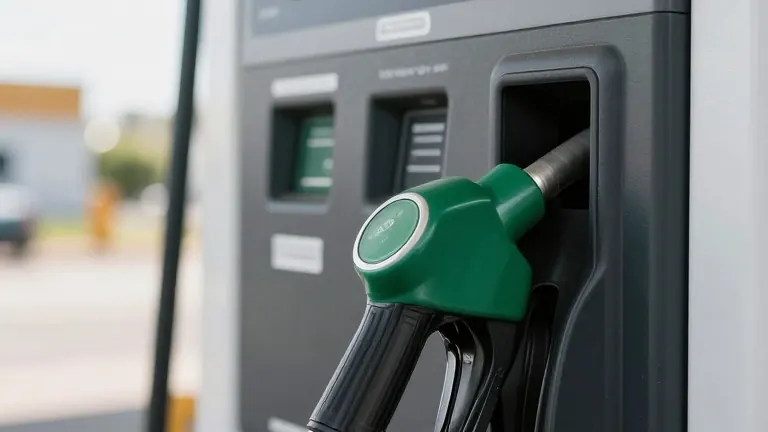
Israeli drivers are set to face a sharp rise in fuel costs this weekend as a temporary tax cut expires just before the national elections. The Finance Ministry’s Budget Department projects that the state will lose approximately NIS 467 million in revenue due to the recent reductions, a financial hit arriving while defense spending hits record highs.
Finance Minister Bezalel Smotrich implemented the initial tax reduction in September, lowering the excise tax by 0.5 NIS per liter. As global oil prices began to climb, he doubled that reduction to 1 NIS per liter in October. The current price for 95-octane gasoline stands at NIS 7.77 per liter. Under standard market conditions, taxes account for more than 60% of the final pump price and generate roughly NIS 20 billion annually for the state.
The price of 95-octane gasoline is expected to increase by around 30 agorot per liter even if the tax cut remains in place, pushing the cost to just over NIS 8. This increase reflects a roughly 10% jump in oil prices since late September. The Energy Ministry’s Fuel Administration set the October baseline price during that period, but rising costs in the Mediterranean basin have shifted the market dynamic.
If the temporary reduction lapses on November 3, the price could surge past the NIS 9 threshold. The decision rests with Smotrich, who must determine whether to extend the relief after the election. If the current government loses power, he may allow the tax cut to expire, transferring the burden of higher fuel costs to the incoming administration.
The new price is scheduled to be finalized toward the end of this week, based on prevailing oil rates in the Mediterranean basin. The first price hike could take effect as early as Saturday night. Because the calculation is tied to short-term market fluctuations, the new rate may remain in effect for only a few days before the next adjustment cycle begins.
The timing of the expiration creates a direct link between fiscal policy and consumer spending. The state’s loss of NIS 467 million in tax revenue represents a specific budgetary cost for the current term. The final decision on the tax cut will dictate whether the average driver pays NIS 8 or NIS 9 per liter in the immediate post-election period.
Source: The Jerusalem Post
More Business · World news · Business Complaints · Report a business