Hydroxyapatite toothpaste costs more than fluoride, new studies show
Dentists say the calcium phosphate alternative works like fluoride but lacks long-term data and costs more per ounce.
By Tristan Parker ·
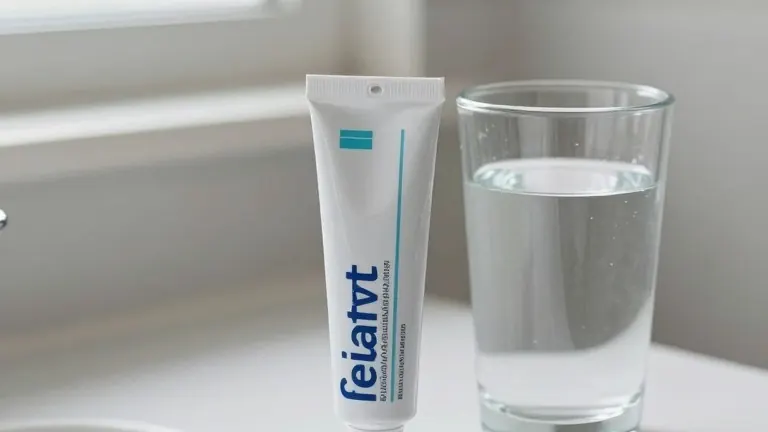
Dentists across the country are fielding more questions about toothpaste made with hydroxyapatite, a calcium phosphate mineral that serves as a fluoride-free alternative. Dr. Jin-Ho Phark, an associate professor of clinical dentistry at the Herman Ostrow School of Dentistry of the University of Southern California, reports that patient interest has grown, particularly after influencers promoted these products on social media.
Hydroxyapatite is chemically similar to tooth enamel, which is composed primarily of calcium and phosphate. Manufacturers claim the ingredient protects against cavities, whitens teeth, and strengthens enamel without using fluoride. Dr. Livia Tenuta, a dentist and associate professor at the University of Michigan School of Dentistry, explains that fluoride works by remineralizing teeth, creating a protective compound that shields the enamel from acids produced by bacteria.
The shift away from fluoride is partly driven by public skepticism. Health Secretary Robert F. Kennedy Jr. has linked water fluoridation to various health issues, including arthritis and neurodevelopmental disorders. While low levels of fluoride are generally considered safe and the Centers for Disease Control and Prevention state that fluoridated water reduces cavities by 25%, some consumers remain hesitant. Bennett Amaechi, a professor of dentistry at the University of Texas at San Antonio, notes that many people are now refusing fluoride for their children despite a lack of concrete evidence regarding harm to children's IQ at recommended levels.
Recent research suggests hydroxyapatite performs similarly to fluoride in short-term settings. A 2021 study in the journal Scientific Reports tracked 177 children for almost one year and found comparable outcomes in tooth decay between those using hydroxyapatite and those using fluoride. A 2023 study in Frontiers in Public Health followed 171 adults for 18 months with similar results. However, both studies were funded in part by the Dr. Wolff Group, a German company that owns brands producing hydroxyapatite toothpaste.
Experts caution that the body of evidence for hydroxyapatite is still developing. Tenuta points out that most studies recruited participants with a low risk of caries, and she calls for more long-term data involving high-risk groups. Dr. Ada Cooper, a spokesperson for the American Dental Association, stated in an email that while some evidence supports the ingredient's ability to contribute to remineralization, clinical effectiveness remains limited and ambiguous.
For patients choosing between the two options, Amaechi advises sticking with fluoride because it has more extensive supporting evidence. Tenuta agrees, recommending fluoride toothpaste as the best option based on current data. Hydroxyapatite products often cost more than their fluoride counterparts, with some priced over a dollar more per ounce.
The American Dental Association recommends brushing twice a day for two minutes with fluoride toothpaste, flossing daily, and visiting a dentist regularly. Consumers interested in hydroxyapatite should consult their dental provider before switching, especially if they have a high risk of tooth decay.
Source: WBAA · original report published
More News · Indianapolis news · Report a business · Got a Story?