
HHS Will Not Penalize Small Pharmacies Compounding Six Peptides, Citing Safety
Secretary Kennedy's policy covers BPC-157, Epitalon, KPV, MOTS-c, Semax and TB-500, but does not extend to larger outsourcing facilities.
By Tristan Parker ·
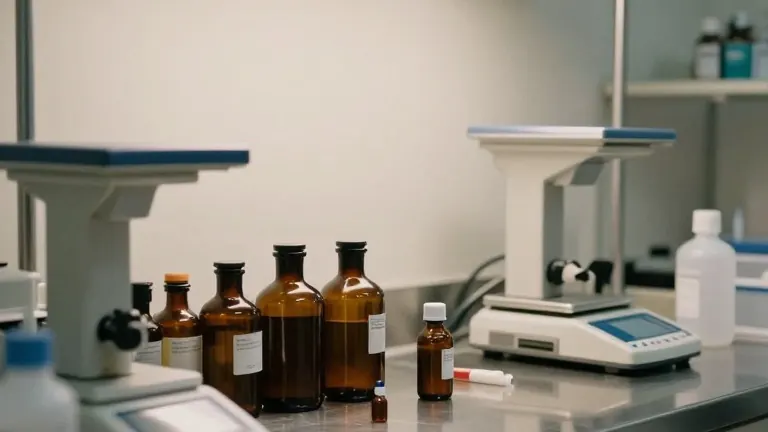
The Department of Health and Human Services said Wednesday it will exercise enforcement discretion for six peptides, allowing smaller compounding pharmacies to make them without federal penalty. The policy does not change the legal status of the substances, which have not been approved through the Food and Drug Administration's drug review process.
The six peptides covered are BPC-157 for ulcerative colitis, Epitalon for insomnia, KPV for wound healing, MOTS-c for metabolic health, Semax for migraine, and TB-500 for wound healing. Peptides are strings of amino acids, shorter than proteins, that occur naturally or as synthetic variations. Wellness influencers and some clinicians have promoted them for a range of uses, though evidence on their safety and effectiveness is sparse.
Health Secretary Robert F. Kennedy Jr. has been a vocal supporter of peptides, saying he has used some himself. The policy applies to 503A compounding pharmacies, the smaller producers, and does not apply to 503B outsourcing facilities that produce medicines at higher volumes.
Joshua Fritzler, president of Olympia and Wesley Pharmaceuticals in central Florida, said people have asked about the peptides for years, but because they were illegal to compound, his company did not make them. Under the new policy, only Olympia's smaller compounding facility can produce them, and only in small quantities. "We won't be able to meet demand," Fritzler said, adding that Olympia will likely compound only one of the six peptides and needs to prepare its facility first. "I don't think all the [503]As in the country could meet the demand."
Scott Brunner, chief executive of the Alliance for Pharmacy Compounding, said in a statement that his group is pleased with the decision because compounding offers a "more accountable alternative" for patients seeking gray market peptides. He also noted that ingredient suppliers must first confirm their active ingredients meet the policy's requirements, and pharmacies must verify that, so it may take time before compounding pharmacies begin dispensing the products.
Public Citizen, a nonprofit advocacy group, said the policy puts patients at risk. Dr. Robert Steinbrook, director of the group's Health Research Group, said Kennedy appears to have acted unilaterally rather than through the standard rulemaking process. "By allowing unproven and potentially unsafe peptides to be manufactured, marketed and prescribed without concern about potential federal enforcement actions, Kennedy has undermined the FDA and threatened public health," Steinbrook said in a statement. He advised clinicians to talk with patients about risks of contamination and other adverse effects.
The Partnership for Safe Medicines, which includes pharmacy and pharmacist organizations, filed a citizen petition last week urging the FDA to ignore its advisory committee's July recommendation to allow compounding pharmacies to make the six peptides. "Today's decision leaves Americans in a grey area as to whether peptides are safe or not, even though the FDA's own scientists recommended against voting in favor of these substances due to concerns with evidence," its executive director Shabbir Safda wrote in a statement. In July, a panel of FDA advisers voted in favor of expanded access to the six peptides, while FDA scientists at the same meeting recommended against unwinding existing restrictions.
The policy says compounding is a safer alternative to illicit "research-use-only" peptides sold online, which are often sourced from overseas suppliers. The HHS did not say when compounding pharmacies may begin producing the peptides.
Source: WBAA · original report published
More News · Indianapolis news · Report a business · Got a Story?