Synthetic Dyes and Candy Bans Reshape Local Shelves
New state and federal regulations on additives will change which candies are available to Central Indiana residents by 2028.
By Paul Davidson ·
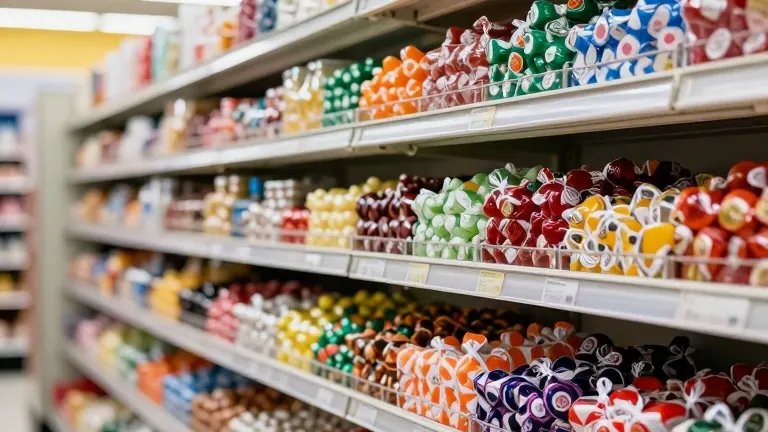
Residents of Central Indiana will see changes in the candy aisles of local grocery stores as new restrictions on synthetic food dyes take effect. By January 1, 2028, West Virginia will ban seven specific dyes, including Red 40 and Yellow 6, from foods sold within the state. Although this law applies to West Virginia, it signals a growing trend that may influence manufacturers who also serve the Indiana market. Additionally, the FDA has revoked its approval for Red Dye No. 3 nationwide, giving candy makers until January 15, 2027, to reformulate their products.
The push for these restrictions began with state-level actions. In 2023, California became the first state to ban the manufacture and sale of foods containing four specific additives, including Red 3. This move applied pressure on federal regulators. On March 24, 2025, West Virginia Governor Patrick Morrisey signed House Bill 2354, making the state the first to pass a sweeping synthetic dye ban. The bill targets Red 3, Red 40, Yellow 5, Yellow 6, Blue 1, Blue 2, and Green 3.
The FDA followed suit in 2025. On January 15, 2025, the agency revoked its approval for Red 3 after lab studies showed high doses caused cancer in male rats. The FDA stated there is no evidence the dye causes cancer in humans. This decision affects popular Halloween items like candy corn, Hot Tamales, and PEZ candies. Manufacturers have two years to adjust their recipes to comply with the new federal deadline.
The timeline for these changes extends back to the early 1970s. In 1976, the FDA banned Red Dye No. 2 due to cancer concerns in animal studies. Although M&M’s did not use that specific dye, the company pulled red M&M’s from shelves to avoid alarming shoppers. They replaced the red candies with orange ones. Red M&M’s returned to store shelves in 1987 after a promotional campaign helped restore consumer confidence.
Other restrictions have shaped the candy market for decades. In 2022, the European Union banned titanium dioxide, a white coloring agent known as E171, after its safety regulator questioned its safety. This change affected the appearance of Skittles in Europe, though the FDA still allows the additive in the United States. In 2001, the FDA issued an import alert for mini jelly cups made with konjac after they were linked to the deaths of six children in the United States.
Some familiar treats remain restricted due to older laws. The Kinder Surprise chocolate egg has never been legally sold in the United States because a 1938 federal law bans candy with embedded non-nutritive objects. The FDA views the toy inside as a choking risk. Customs agents continue to seize these items at the border. A similar product, Nestlé’s Magic chocolate ball, was pulled from U.S. shelves in the late 1990s for the same reason.
Current legal battles may delay or alter these regulations. The International Association of Color Manufacturers filed a lawsuit against West Virginia in October 2025, arguing that the state’s dye ban is unconstitutional. The outcome of this suit could determine how quickly the 2028 deadline is enforced. Until then, manufacturers are working to reformulate products to meet the January 2027 FDA deadline for Red 3 and prepare for the broader dye restrictions in West Virginia.
Source: WIBC · original report published
More News · Indianapolis news · Report a business · Got a Story?