Democrats Plan Budget Controls and Investigations to Alter Foreign Policy
With control of both chambers of Congress, new leaders aim to use spending power and oversight to influence conflicts in Iran and Ukraine.
By Paul Davidson ·
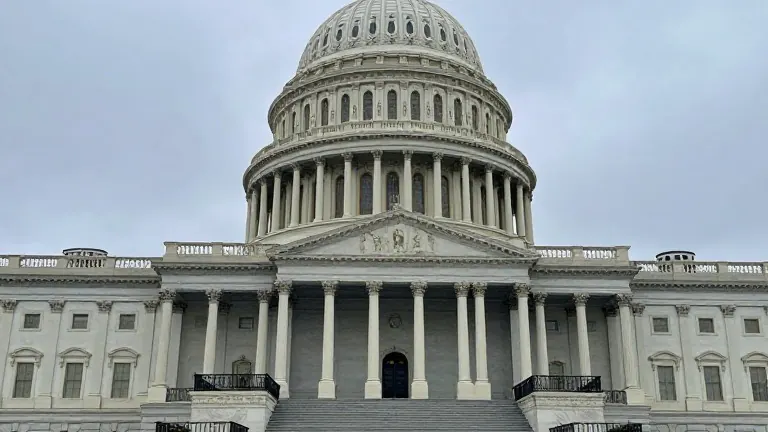
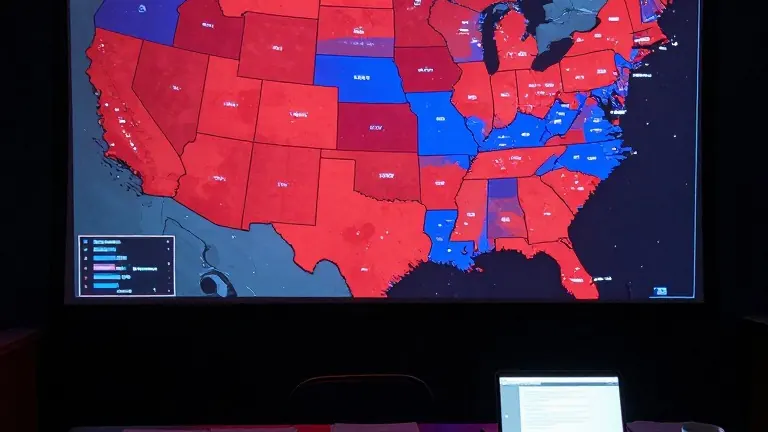
Washington, D.C., Nov. 5, 2026. Democrats are set to take control of both the House and Senate following this week's midterm elections. The new majority plans to use congressional authority to reshape U.S. foreign policy, specifically targeting ongoing conflicts in the Middle East and Eastern Europe.
The shift follows a voting pattern where economic concerns and military spending dominated voter choices. An SSRS poll for the Associated Press found that 89% of voters cited the economy as a major factor in their decision. Additionally, 74% said the war in Iran was a major or crucial factor. In the same survey, 63% of respondents called the Iran war the wrong decision, and 51% said U.S. support for Israel had been too strong.
The U.S. and Israel have conducted military campaigns against Iran since June 2025. Pentagon figures obtained by the Associated Press estimate the cost to American taxpayers at $47.1 billion as of mid-October. Iranian retaliatory strikes have targeted U.S. military bases in the Gulf region. Trita Parsi, an Iran expert at the Quincy Institute for Responsible Statecraft, noted that some supporters of the war may view the next two months as a final opportunity to escalate conflict before the new Congress convenes.
Anne Applebaum, a historian and staff writer at The Atlantic, outlined how the incoming Democratic majority intends to intervene. She said lawmakers will use appropriations committees to limit federal funding for specific military operations. Applebaum expects this pressure to change the trajectory of the war sooner or later, even if President Trump remains focused on his own priorities.
Congress also plans to launch investigations into how the administration makes foreign policy decisions. Applebaum expects lawmakers to examine potential corruption involving people close to the president. She raised questions regarding Defense Secretary Pete Hegseth's competence and the advice Trump received during the Iran war. While Congress cannot force policy changes due to the presidential veto, Applebaum said these investigations would create a different public narrative.
Support for Ukraine has maintained bipartisan backing in Congress. Applebaum expects the new Democratic leadership to push legislation requiring the president to reimpose sanctions on Russia. The key challenge will be securing enough votes to override a potential presidential veto. Applebaum said this outcome is possible given the current level of support for Ukraine among lawmakers.
Lawmakers also intend to scrutinize disruptions to Ukraine's satellite communications. In October, the Pentagon's inspector general declined a bipartisan request to investigate slowdowns in Starlink and Starshield services. Ukrainian officials said these delays hampered their ability to intercept Russian drones. The Trump administration and SpaceX have provided conflicting accounts of responsibility. Applebaum expects the new Congress to examine these disruptions and the administration's negotiations with Russia and Ukraine more closely.
Applebaum emphasized that Democratic leaders must move quickly to establish priorities. She said the group needs to decide which issues to investigate first to maximize impact. The new congressional session begins in January, giving the incoming members a short window to act before the next election cycle begins.
More Politics · Indianapolis news · Report a business · Got a Story?