Musk faces congressional scrutiny after midterms
Democratic lawmakers plan to investigate the billionaire’s government contracts and political spending following their sweep of Texas offices.
By Elena Castillo ·
Elon Musk faces increased scrutiny from Democratic lawmakers following their midterm victories in the House and Senate. The billionaire, who controls Tesla and SpaceX, spent heavily to support Republican candidates but saw key allies lose in Texas. Democrats now intend to investigate his role in the federal government and the scale of his political donations.
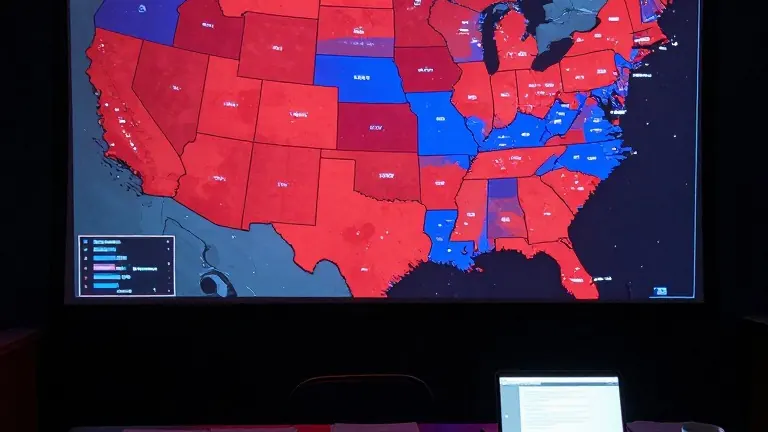
Federal election filings show Musk gave more than $445 million to Republican candidates, political action committees, and outside groups. This total makes him the top donor in this midterm cycle and one of the largest political donors in American history. He directed at least $225 million of that sum specifically to Texas, supporting Ken Paxton’s Senate bid and Gov. Greg Abbott’s reelection campaign. Both candidates lost to Democrats.
Musk led the Department of Government Efficiency, or DOGE, for four months at the start of President Trump’s second term. During that period, his companies received at least $6.3 billion in government contracts, according to the Democracy Defenders Fund. Since leaving the role, he has gained at least another $10 billion in such contracts. As a part-time special government employee, he was subject to federal laws restricting officials from participating in matters affecting their personal financial interests.
Rep. James Walkinshaw of Virginia said the timing of these contracts raises questions about accountability. "The DOGE chickens are coming home to roost," Walkinshaw wrote on X. "Elon Musk waved a chainsaw on stage and laughed while firing public servants and gutting the services Americans rely on. Then he lied to the American people about the savings. He must answer for it under oath."
Richard Painter, former chief White House ethics lawyer, noted that SpaceX receives large contracts from NASA and the Department of Defense. "If [Musk] touched anything that he knew would have an impact on SpaceX, he would've committed a crime," Painter said. Democratic lawmakers say their central question is whether Musk used his administrative influence to benefit his own businesses.
Musk’s foreign dealings are also under examination. Sen. Chris Coons of Delaware posted that Musk’s links to Russian President Vladimir Putin add to the list of questions for potential subpoenas. Rep. Mike Levin of California noted that Musk restricted Ukraine’s use of Starlink satellite internet days after Trump eased sanctions on Russia in October. Levin asked how Musk could disrupt an ally’s military operations while facing zero accountability.
Texas has become a central hub for Musk’s business empire, with headquarters for Tesla, X, SpaceX, Neuralink, and The Boring Company located in the state. SpaceX is exploring sites for large data centers, and Tesla operates a major data center in Austin. A $16.8 billion semiconductor fabrication project was announced in August. Despite his spending, Democrats captured every statewide office in Texas, signaling a shift in local political power.
James Talarico defeated Paxton in the Senate race and addressed Musk in his victory speech. "We just sent a message to every billionaire mega-donor," Talarico said. "Power belongs to the people." Musk responded to the results on X, posting, "Guess my election-interfering space lasers didn't work this time." He did not respond to a request for comment regarding the upcoming investigations.
More Politics · Indianapolis news · Report a business · Got a Story?