Iranian officials claim U.S. midterms signal rejection of war
Leaders in Tehran cited the Democratic victory as proof that American voters want peace, even as strikes continued near the Strait of Hormuz.
By Jisoo Kim ·
Iran’s chief negotiator declared on Wednesday that American voters had said no to war, a message he said Tehran endorsed following the midterm elections held Tuesday. The comments came as officials in the Middle East analyzed the political shift in Washington against the backdrop of an ongoing conflict with the United States and Israel.
Ayatollah Mojtaba Khamenei, the supreme leader, dismissed the idea that the change in Congress would alter the U.S. approach to Iran. In a post on social media, he warned that those hoping for a shift in American behavior or believing concessions would end hostility were mistaken. He noted that his father and predecessor, Ayatollah Ali Khamenei, was killed in the opening strikes of the war in February.
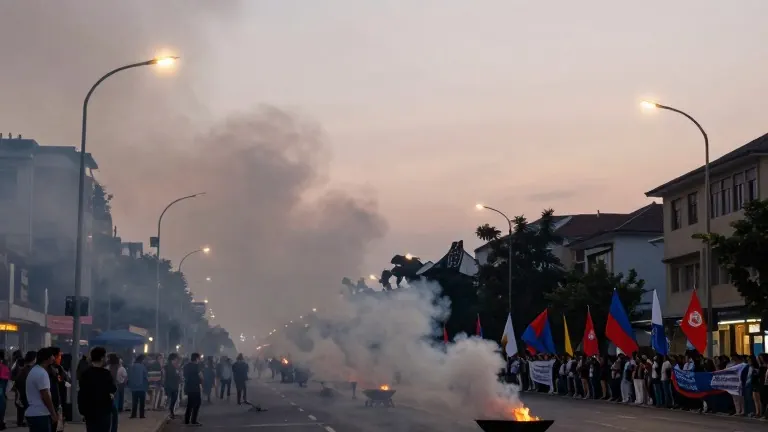
Mohammad Bagher Qalibaf, the parliament speaker and chief negotiator, posted on X that if the U.S. government ignored the vote for change, it would learn that Iran’s refusal comes with a nightmare. The Foreign Ministry spokesperson added that the consequences of this miscalculation would extend beyond what has already been witnessed. These statements coincided with a government-organized march in Tehran commemorating the 1979 seizure of the U.S. Embassy.
Thousands of demonstrators marched through the streets, burning American and Israeli flags and chanting slogans against both nations. They displayed effigies of President Donald Trump and Israeli Prime Minister Benjamin Netanyahu. Hananeh Jahed, a demonstrator in the crowd, said Trump’s defeat was due to him going too far in everything. Zahra Nadiminejad added that U.S. voters had finally realized Iran would not allow foreign interference.
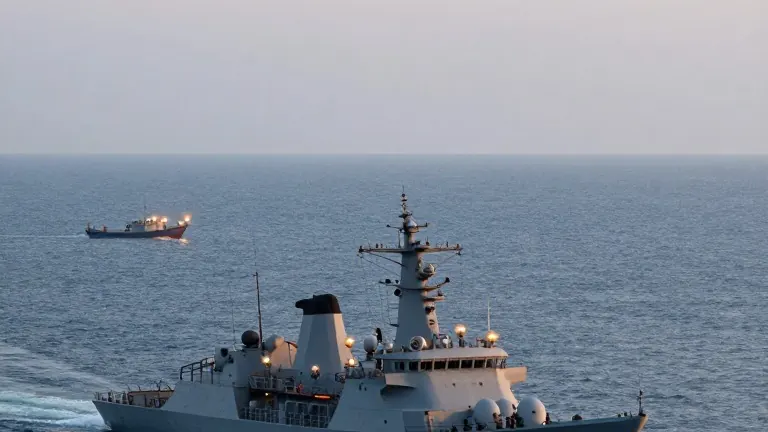
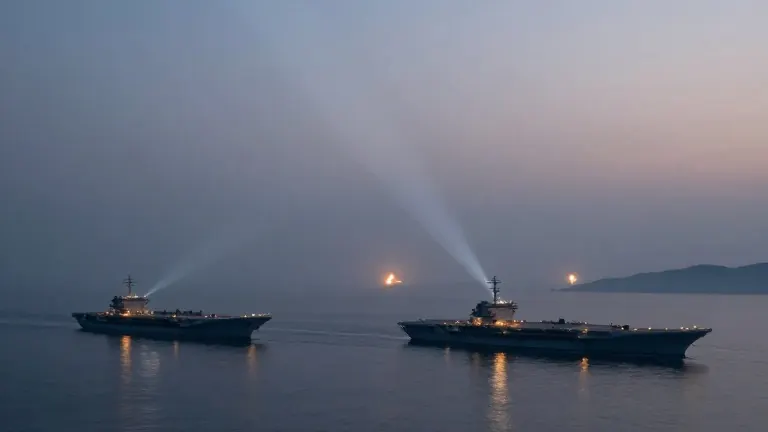
The diplomatic messaging occurred just one day after limited strikes hit Iranian targets. State media reported explosions on Qeshm and Hengam islands and near the port city of Bandar Abbas on Monday. Iranian authorities have not identified the specific sites struck or disclosed the damage. The Strait of Hormuz, a critical route for global energy, has seen repeated attacks on commercial shipping.
State television reported that four oil tankers caught fire on Wednesday after striking mines on unauthorized routes. Before these recent events, the Trump administration’s last known attacks on Iran were in early September. Thousands of U.S. troops remain in the region to maintain a naval blockade, with additional forces en route. Vice President JD Vance said on Monday that he and the president felt good about the prospects for a negotiated settlement.
The war, which began on February 28 with the launch of U.S. and Israeli operations, has disrupted global energy markets. The conflict started with strikes that killed the longtime supreme leader and triggered a fight that has lasted more than eight months. The current standoff follows a period of rising fuel and goods prices in the U.S., which helped Democrats win control of both chambers of Congress.
More World · Indianapolis news · Report a business · Got a Story?