Trump Blames Candidates, Not Iran War, for GOP Midterm Losses
The president dismissed the defeat as a minor surprise, citing candidate performance and media coverage while maintaining his governing agenda will continue.
By Tristan Parker ·
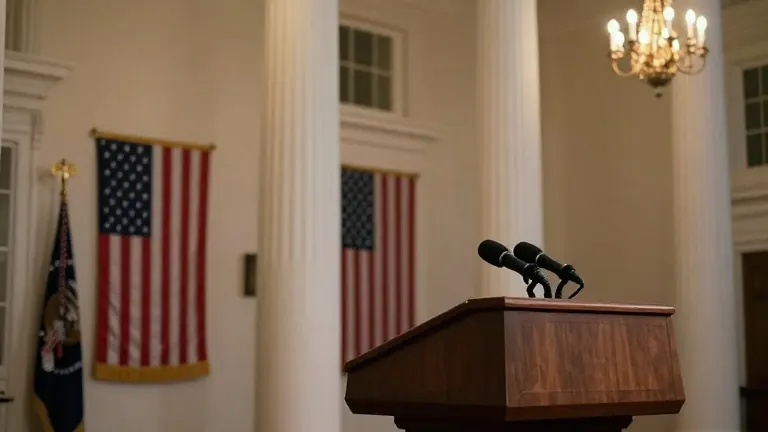
President Donald Trump rejected the growing consensus that Tuesday's election results represented a rejection of his record, telling Fox News in a live phone interview that he did not view the outcome as a personal hit. By the time the House and Senate races were called for Democrats on Tuesday, members of both parties largely agreed that voters had turned against the administration. Trump, however, described the results as a little surprise, suggesting the winds of history had always worked against him.
The president placed primary blame on the Republican candidates who ran for office. He told Fox News that the nominees simply did not inspire enough people to vote. He noted that he was not on the ballot, implying that his presence would have driven higher turnout. This assessment came despite the fact that Trump hand-selected many of the losing candidates, including Darline Graham in South Carolina, Ken Paxton in Texas, Michael Whatley in North Carolina, and Mike Collins in Georgia. In some instances, he chose these nominees over the objections of other party members.
Trump also pointed to external factors, citing a mood in the air and favorable media coverage of Democrats on Fox News. He downplayed the role of the Iran war, which he began eight months ago, telling the Wall Street Journal that it was only a piece of the larger issue. He similarly minimized the impact of tariffs that drove up consumer prices. Instead, he argued that his economic record represented the greatest two years in presidential history.
Despite the shift in power in Washington, the president insisted his governing agenda would proceed without pause. He spent the previous month flying to red states aboard Air Force One to encourage supporters to act as if he were on the ballot. That strategy did not prevent the losses, but Trump maintained that the candidates failed to translate his support into votes. He said he had no choice but to back Ken Paxton in Texas, noting that Paxton supported him when it was not fashionable to do so.
Trump signaled a conciliatory tone toward the new Democratic leadership, stating that he has many friends in the party and has already spoken to some of them. He spoke generally about finding areas of compromise, though he did not name specific counterparts. This approach mirrors pledges he made after Republicans lost the House in the 2018 midterms, although earlier offers of bipartisanship did not fully materialize.
The president’s public commentary on the results varied in tone throughout the evening. On Truth Social shortly before midnight, he announced he would become a political pundit to explain why certain candidates won or lost. His first target was Texas Governor Greg Abbott, who lost re-election to Democrat Gina Hinojosa. Trump called Abbott a Republican in name only and criticized his return to an original formula that was not pretty.
In a phone interview with Politico around the same time, Trump said he did not want to blame anybody. He described the election period as interesting and said he learned from watching it. When asked about the Iran war, the issue many Republicans cite as a primary reason for their losses, Trump said he did not think about it. He told the Wall Street Journal that he did the right thing and would have done it again.
Source: WISH-TV · original report published
More Politics · Indianapolis news · Report a business · Got a Story?