Indiana voters decide House seats, state offices in midterm
With no governor or senator on the ballot, Central Indiana voters focus on congressional races and local measures as polls open at 6 a.m.
By Jisoo Kim ·
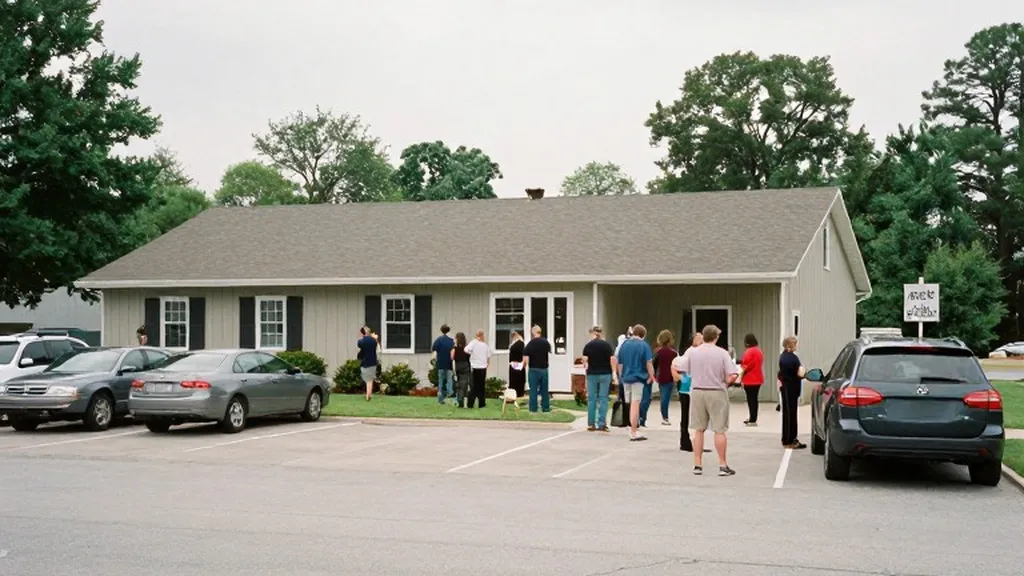
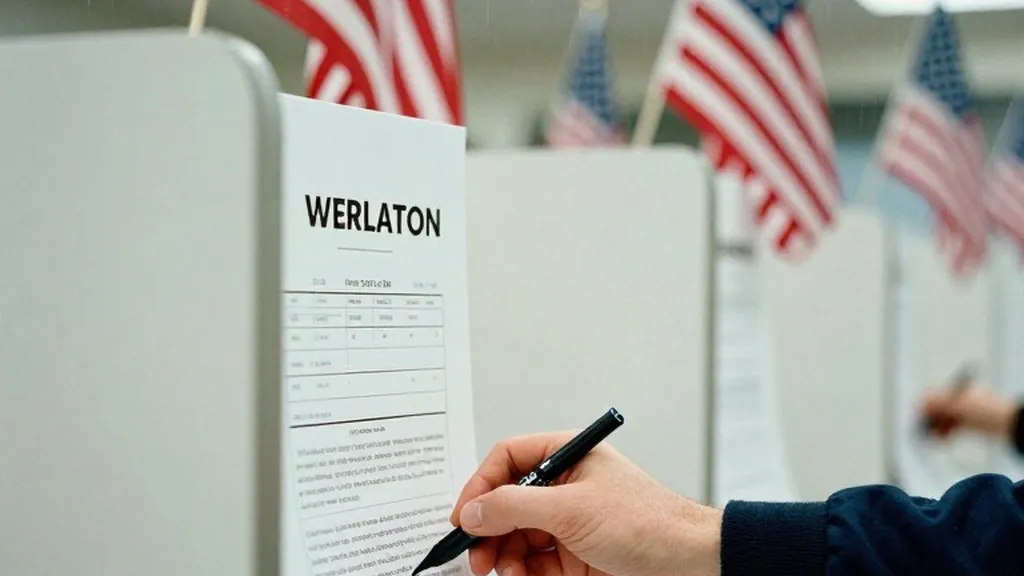
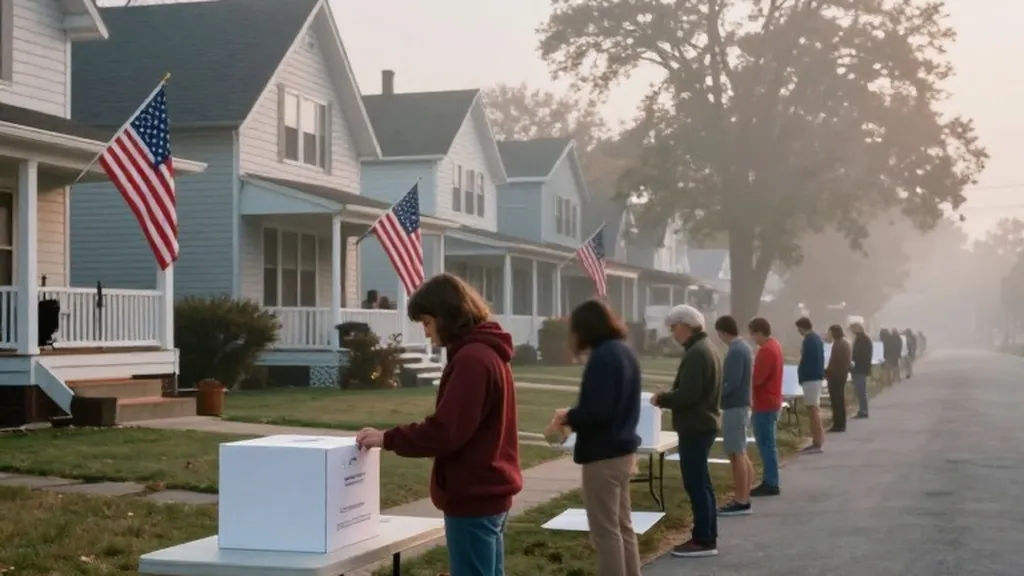
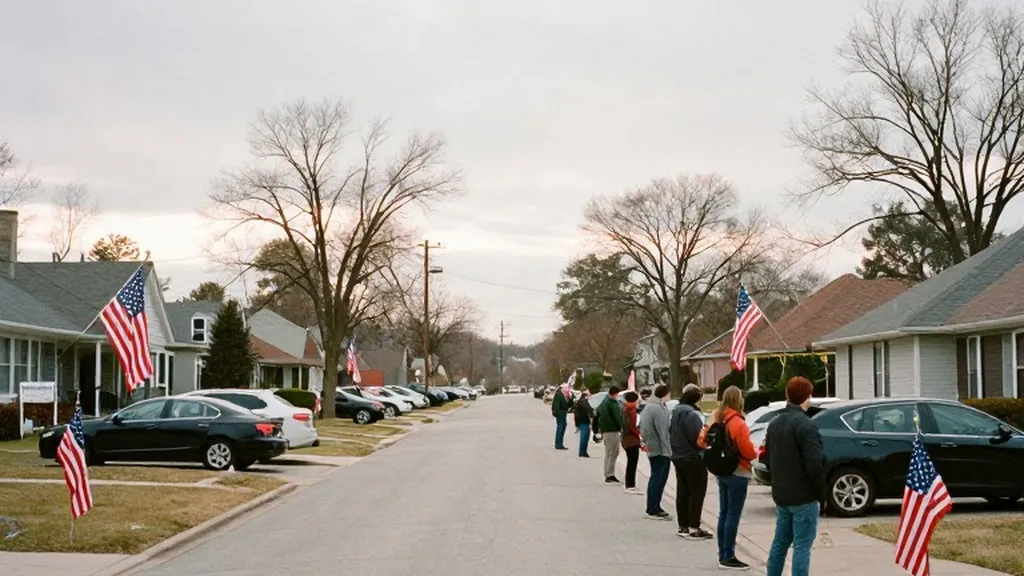
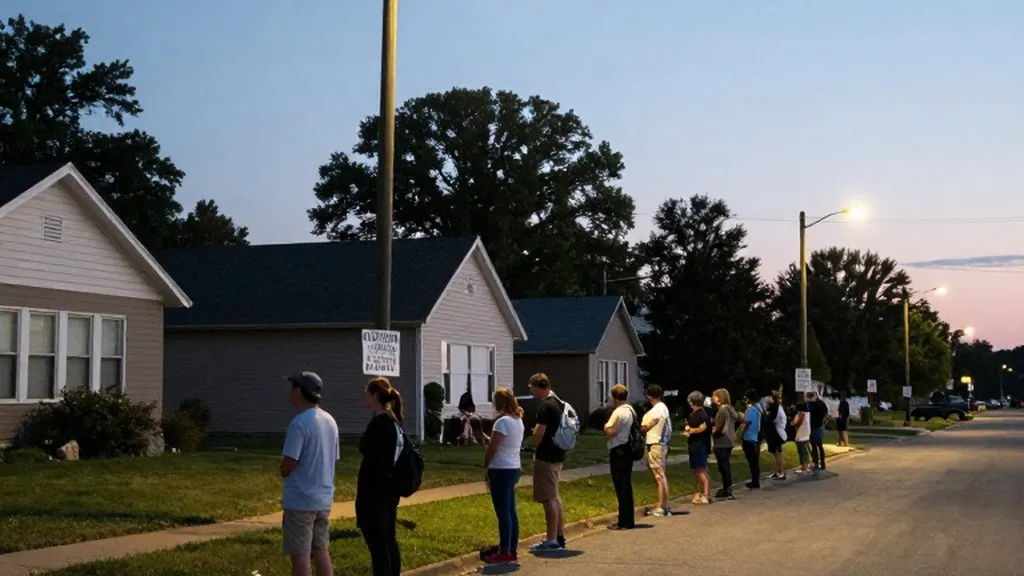
Polls in Indiana opened at 6 a.m. on Tuesday, November 3, 2026, as voters across Central Indiana cast ballots in the midterm election. The state is divided between the Eastern and Central time zones, but all polling places close at 6 p.m. local time. Residents of Indianapolis, Fishers, Carmel, Noblesville, Greenwood, and Westfield are heading to the polls to determine the outcomes of federal and state races. According to Ballotpedia, there is no U.S. Senate or governor race in Indiana this year. Instead, every U.S. House seat in the state is on the ballot, along with state executive offices, state legislative seats, and local measures.
Voters in the region are deciding who will represent their districts in the U.S. House of Representatives. The Associated Press notes that this election is widely viewed as a referendum on President Donald Trump's second term. While there is no state-level executive race in Indiana, voters are selecting candidates for other state offices and local positions that vary by county. The Indiana Secretary of State is one of the notable state executive races on the ballot. Additionally, voters in some areas are choosing state supreme court and intermediate appellate court candidates, depending on their specific jurisdiction.
Two statewide ballot measures are also before Indiana voters. Public Question 1 asks voters to provide for the denial of bail when an accused person is found to pose a substantial risk to another person. Public Question 2 requires city and town court judges to reside in either the county where the court is located or the bordering county closest to the court. These questions reflect local priorities in the state's judiciary and local government. Voters can find their specific polling place at vote.gov or through their state election office.
Nationally, the stakes are high for the control of Congress. The Associated Press reports that all 435 seats in the U.S. House are up for grabs. Republicans currently hold 218 seats, while Democrats hold 214. Democrats need a net gain of three districts to secure a majority, whereas Republicans can lose no more than two seats. In the U.S. Senate, 35 of 100 seats are on the ballot, including 33 regular elections and two special elections. Republicans hold 53 Senate seats, and Democrats hold 45, plus two independents who caucus with Democrats. Democrats need a net gain of four Senate seats for a majority.
The governor's race is a key focus in 36 states, although Indiana is not among them. Republicans currently hold 26 governor's offices, and Democrats hold 24. Of the governorships on the ballot this year, each party holds 18. Nineteen of these races do not feature an incumbent, with 15 governors being term-limited and others choosing not to run. The Associated Press notes that Democrats would need a net gain of two governorships to achieve a nationwide majority, a position Republicans have held since 2010. In Indiana, the absence of a governor race shifts attention to the congressional and local contests.
The mood among voters is described by the Associated Press as a struggle with high prices and anger over an unpopular war with Iran. Polling from AP-NORC indicates that 35% of U.S. adults approve of President Trump's job performance, while 25% approve of his handling of the economy. About seven in 10 adults say the country is heading in the wrong direction. More than 57 million people had already voted as of Monday, surpassing the early vote of four years ago in many closely watched states. In Indiana, early voting and mail ballots have been key components of the election administration.
The election is also a financial battleground. The 2026 elections are likely to be the most expensive in history. Republican committees have outraised and outspent Democratic committees, aided by Trump-affiliated groups and Elon Musk. However, at the candidate level, Democrats have outraised their opponents. The Associated Press analysis of AdImpact data shows that 88.1% of Republican general election TV ad spending went to states and districts that Trump won in 2024. This spending strategy highlights the importance of turnout and retention in key districts, including those in Central Indiana.
Election administration has faced some legal challenges. A federal judge temporarily barred the Trump administration from carrying out a plan it says would prevent noncitizen voting. Critics argue this risks disenfranchising eligible voters. The U.S. Postal Service added hours, staff, and special lines to ensure mail ballots are counted on time. In Indiana, voters are encouraged to check their state's ID rules before going to the polls, as requirements vary by state. Anyone in line when polls close is entitled to vote, a rule that may affect turnout in busy polling places in cities like Indianapolis and Westfield.
The results of this election will determine who controls Congress for President Trump's final two years. If Democrats win even one chamber, investigations and possible impeachment proceedings become likely. House Democratic Leader Hakeem Jeffries would be the first Black speaker and has outlined a 100-day agenda on the cost of living and oversight. A strong Democratic night would also boost potential 2028 candidates such as Gavin Newsom, JB Pritzker, and Pete Buttigieg. Republicans have tried to beat the midterm pattern, where a president's party almost always loses seats, through redistricting, but new districts in states like Florida may not vote as drawn.
In Indiana, the focus remains on the U.S. House races and state offices. Voters in the 4th Congressional District are paying close attention to the outcome, as it is one of the noteworthy elections in the state. The Indiana Secretary of State race is also a key contest, with the winner playing a crucial role in future elections. Local ballot measures and municipal government elections will also shape the political landscape in towns across the state. As polls close at 6 p.m., voters across Central Indiana will wait for the results that will define the next two years of national and state politics.