Indy voters face record costs in historic midterm money war
Republican committees outspend Democrats, but Democrats lead at candidate level in this most expensive election yet.
By Paul Davidson ·
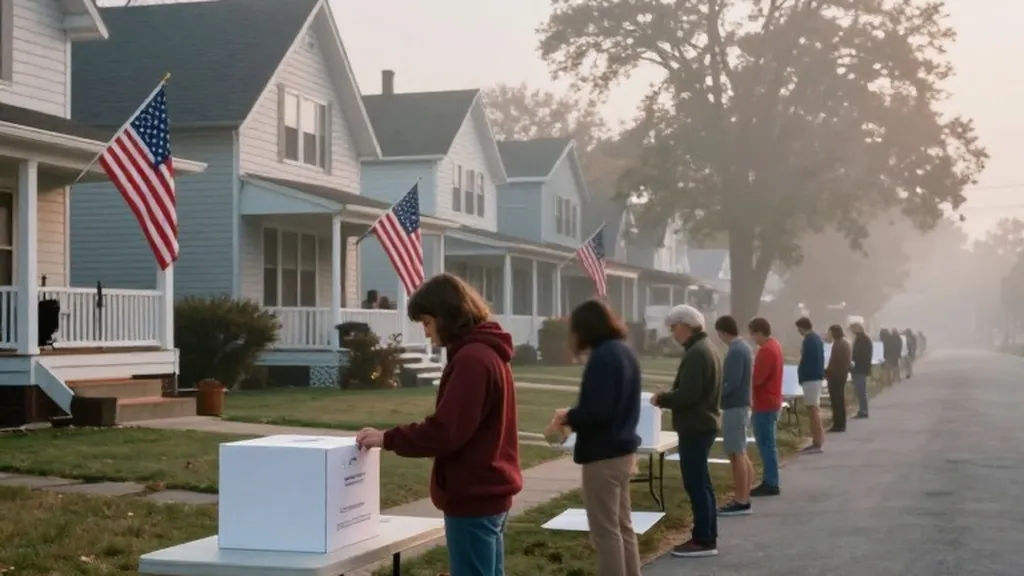
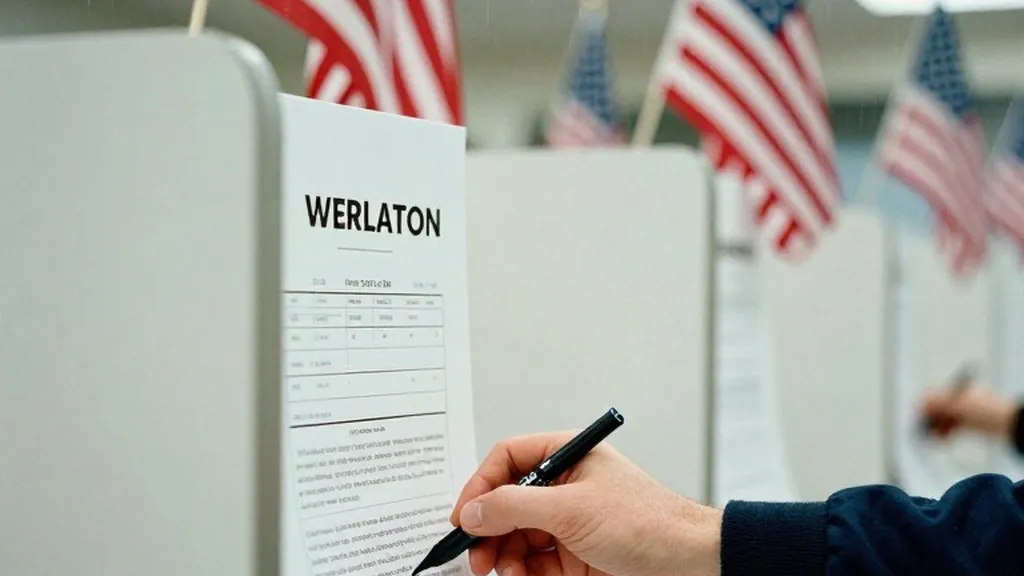
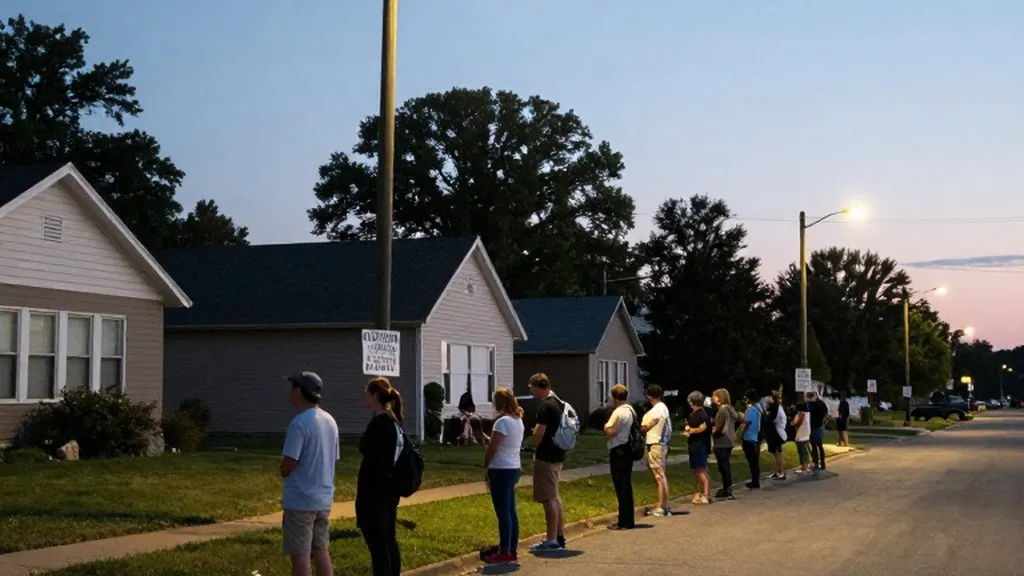
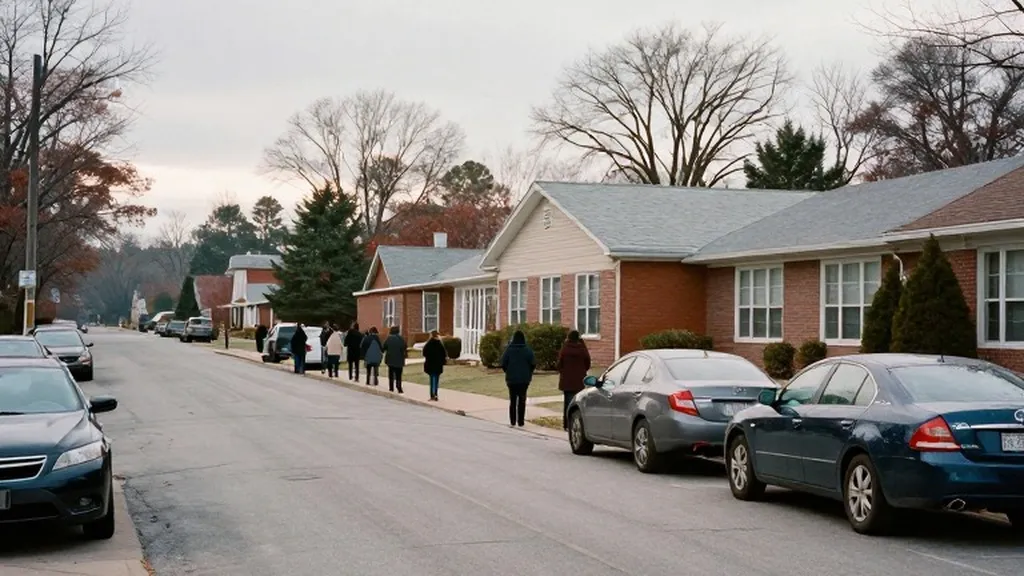
Voters in Indianapolis, Fishers, Carmel, Noblesville, Greenwood, and Westfield are heading to the polls today, Tuesday, November 3, 2026. In Indiana, polls are open from 6 a.m. to 6 p.m., with the state divided between the Eastern and Central time zones. Residents can find their specific polling place at vote.gov. Anyone in line when polls close is entitled to vote. ID rules vary by state, so voters should check their state's rules before going.
There is no U.S. Senate election in Indiana this year, nor is there a governor election. However, every U.S. House seat in the state is on the ballot. Voters will also decide on state and local offices and measures that vary by county. The 2026 midterms are being watched closely as the most expensive election in history. According to the Associated Press, this election is a referendum on President Donald Trump's second term, with voters struggling with high prices and angry over an unpopular war with Iran.
The financial scale of this election is unprecedented. Republican committees have outraised and outspent Democratic committees, aided by Trump-affiliated groups and Elon Musk. However, at the candidate level, Democrats have outraised their opponents. This creates a complex picture of the money flowing into the race. The Associated Press notes that one or two seats could tip either chamber, making the efficiency of spending critical for both parties.
An analysis of AdImpact data by the Associated Press reveals a striking concentration of Republican spending. Eighty-eight point one percent of Republican general election TV ad spending went to states and districts that Trump won in 2024. This includes more than 850 million dollars spent in areas where he won by 10 points or more. This strategy highlights the Republican focus on defending strongholds while trying to beat the typical midterm pattern where a president's party loses seats.
Democrats are described as cautiously optimistic, while Republicans brace to lose the House and fight to hold the Senate. The Democratic Congressional Campaign Committee Chair, Rep. Suzan DelBene, stated that the American people are angry and want change. In contrast, RNC Chairman Joe Gruters emphasized that everything depends on turnout, adding that if they turn out their voters, they win. This sentiment is echoed in polling data showing that 35 percent of U.S. adults approve of Trump's job performance.
In Indiana, the U.S. House races are particularly significant. Incumbents such as Frank Mrvan, Rudy Yakym, Marlin A. Stutzman, and Jim Baird are running for re-election. These races are part of the broader national contest where all 435 House seats are up for grabs. Republicans currently hold 218 seats, while Democrats hold 214, with one independent and vacancies. Democrats need a net gain of three districts to secure a majority, whereas Republicans can lose no more than two seats.
The mood among voters is mixed. AP-NORC polling indicates that 25 percent approve of Trump's handling of the economy, and about 7 in 10 say the country is heading in the wrong direction. Most voters blame him for high prices. Voter Mark Barker of Palm Beach Gardens, Florida, expressed support, saying he thinks Trump is doing an awesome job. Conversely, James Moore, a librarian in Raleigh, North Carolina, noted that he is paying more taxes, more for healthcare, and more for everything.
The election administration has faced several legal challenges. A federal judge temporarily barred the Trump administration from carrying out a plan to prevent noncitizen voting, a move critics say risks disenfranchising eligible voters. Another judge ordered the administration to stop demanding that California election officials segregate ballots cast by people on lists of suspected noncitizens. The U.S. Postal Service has added hours, staff, and special lines to ensure mail ballots are counted on time, a critical step for many states that rely heavily on mail-in voting.
Wall Street is also watching the results, with Reuters noting that outcomes could add to investor concerns about AI spending and debt ceiling negotiations. If Democrats win even one chamber, investigations and possible impeachment proceedings become likely. House Democratic Leader Hakeem Jeffries would be the first Black speaker if the Democrats take the House, and he has outlined a 100-day agenda focused on the cost of living and oversight. A strong Democratic night would also boost potential 2028 candidates such as Gavin Newsom, JB Pritzker, and Pete Buttigieg.
For local voters in Central Indiana, the stakes are high in determining the direction of Congress. The new congressional maps in six states, including Ohio, may affect how votes are counted, though Indiana is not using a new map for this cycle. The election will decide who controls Congress for the president's final two years. As polls open, the focus remains on whether the massive spending by Republican committees can overcome the candidate-level fundraising edge held by Democrats. The outcome will shape the legislative landscape for the next two years, influencing everything from budget priorities to oversight of the executive branch.