Central Indiana voting guide: Poll hours and ballot measures for Nov. 3
Polls in Central Indiana open at 6 a.m. and close at 6 p.m. Tuesday, with voters selecting U.S. House members and weighing two statewide public questions.
By Elena Castillo ·
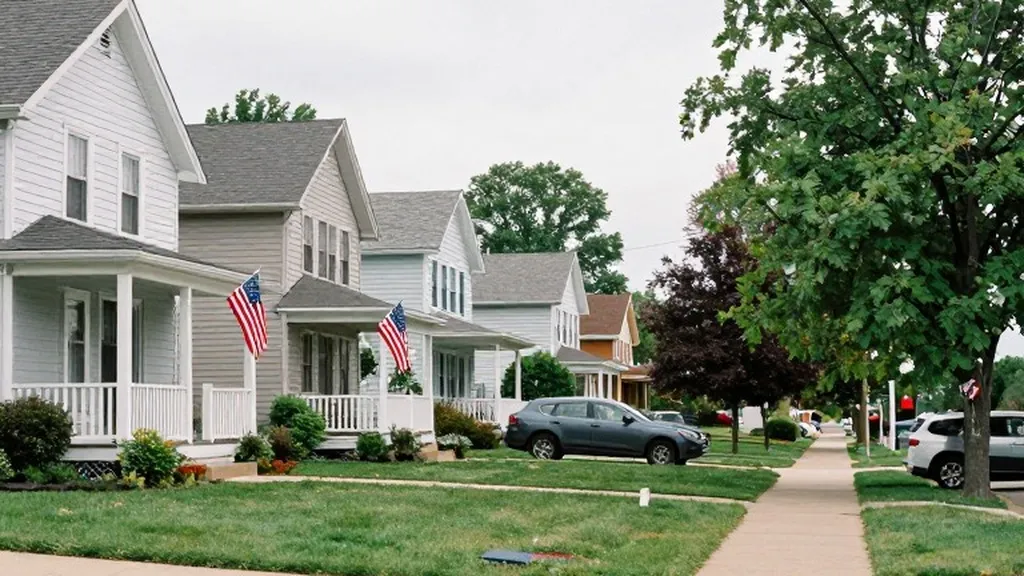
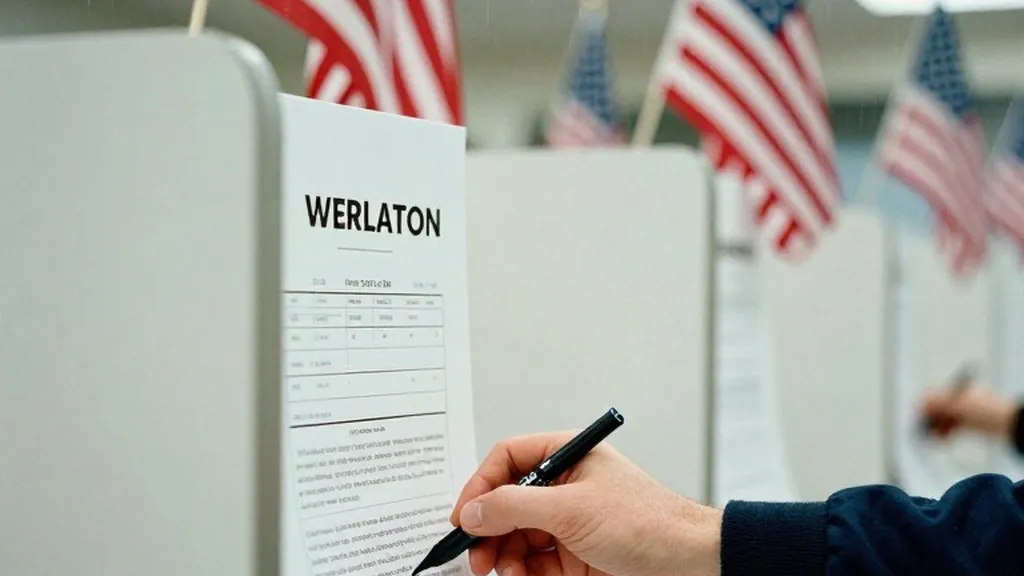
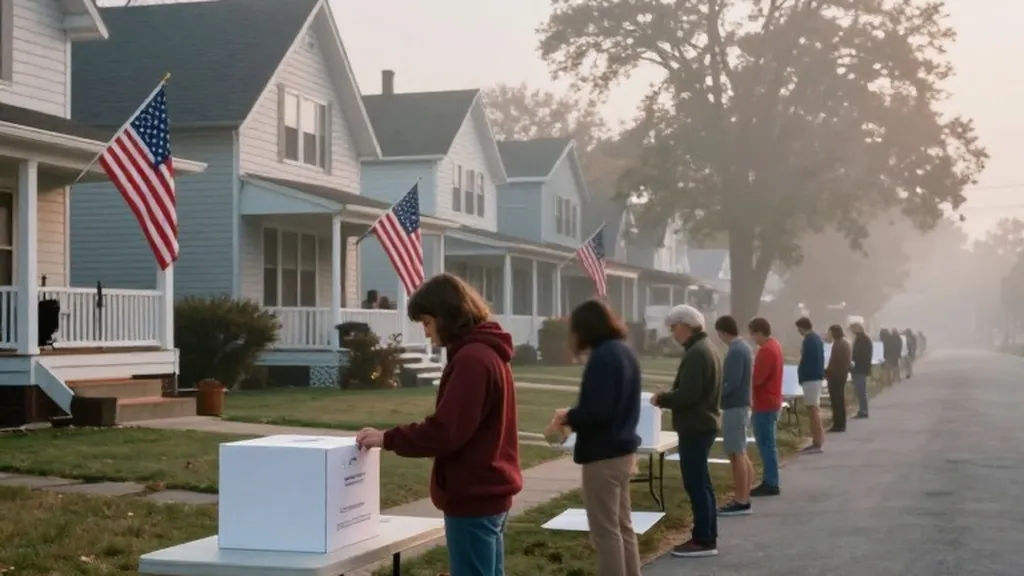
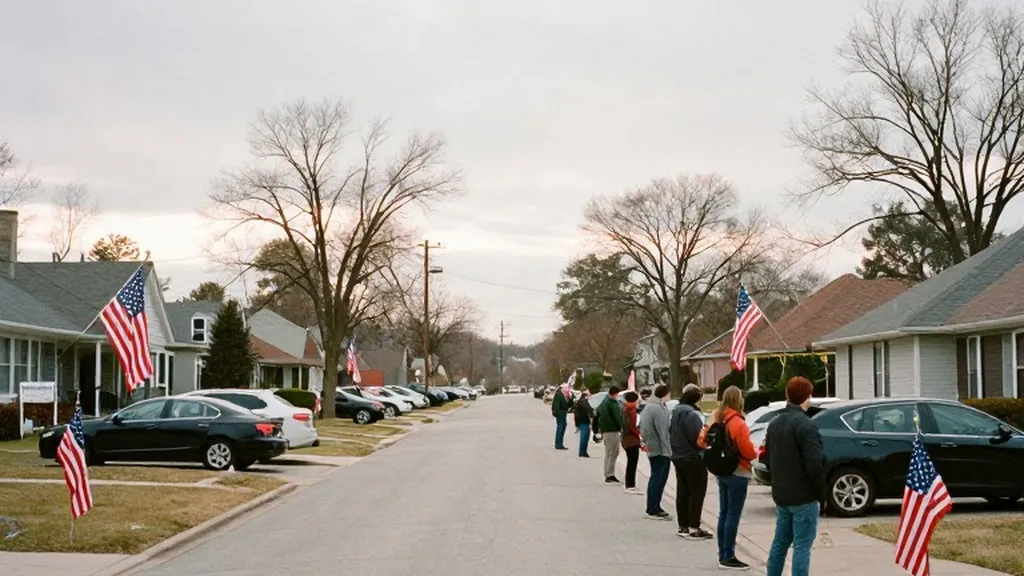
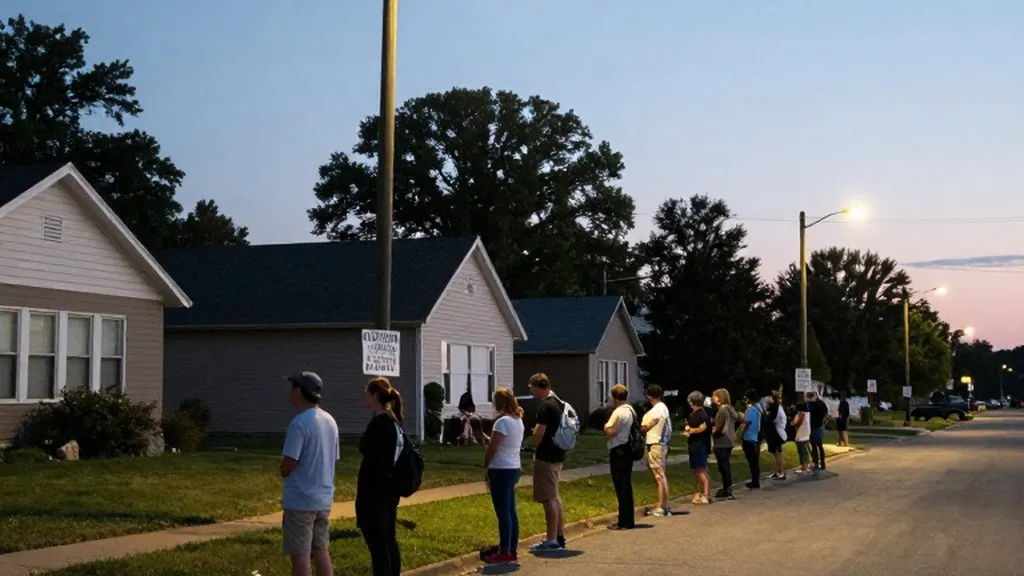
Voters in Central Indiana will cast ballots from 6 a.m. to 6 p.m. on Tuesday, November 3, according to Ballotpedia. The state is divided between the Eastern and Central time zones, but the polling hours remain consistent across the region. Residents of Indianapolis, Fishers, Carmel, Noblesville, Greenwood, and Westfield can locate their specific polling place through vote.gov or their local county election office. Anyone already in line when the polls close at 6 p.m. is entitled to cast a ballot, ensuring that late arrivals are not disenfranchised. Identification rules vary by state, so voters are advised to review their specific requirements before heading to the polls.
The primary federal race in Indiana this year is for the U.S. House of Representatives, with every seat in the state on the ballot. There is no U.S. Senate election or governor race in Indiana in 2026. Instead, the state is deciding who will represent its congressional districts in Washington, D.C. Additionally, voters will choose for other state executive offices, the State Senate, the State House, intermediate appellate courts, school boards, and municipal government positions. The ballot also includes statewide and local ballot measures that vary by county.
Two specific public questions appear on the statewide ballot in Indiana. Public Question 1 addresses bail in criminal trials, proposing a provision for the denial of bail when an accused person is found to pose a substantial risk to another person. Public Question 2 concerns local government and the judiciary, requiring city and town court judges to reside in either the county where the court is located or the bordering county closest to that court. These measures reflect ongoing debates about the administration of justice and the residency requirements for local judicial officers.
Across the nation, this midterm election serves as a referendum on President Donald Trump's second term. According to the Associated Press, voters are struggling with high prices and anger over an unpopular war with Iran. Polling from AP-NORC indicates that 35 percent of U.S. adults approve of the president's job performance, while 25 percent approve of his handling of the economy. Approximately seven in 10 Americans say the country is heading in the wrong direction, with most blaming the president for rising costs. The election determines which party controls Congress for the president's final two years in office.
All 435 U.S. House seats are up for election. Republicans currently hold 218 seats, while Democrats hold 214, with one independent seat and vacancies remaining. Democrats need a net gain of three districts to secure a majority, whereas Republicans can lose no more than two seats. Sixty House incumbents are not running again, with 23 Democrats and 37 Republicans opting out. Ballotpedia identifies 46 battleground districts, split between 25 held by Democrats and 21 held by Republicans. The shifting political landscape includes 21 Democratic-held districts that voted for Trump in 2024 and nine Republican-held districts that voted for Kamala Harris.
In the U.S. Senate, 35 seats are on the ballot, including 33 regular elections and two special elections. Republicans hold 53 seats and Democrats hold 45, plus two independents who caucus with Democrats. Democrats need a net gain of four seats for a majority, while Republicans can lose only two. Eleven senators are not running again, including four Democrats and seven Republicans. Winners will begin their six-year terms on January 3, 2027. The Senate race is particularly competitive in states like Maine, Iowa, Kansas, and Michigan, where the outcomes could shift the balance of power in Washington.
Thirty-six governorships are also on the ballot. Republicans currently hold 26 governor's offices and Democrats hold 24. Of the offices up for election, each party holds 18. Nineteen of these races have no incumbent on the ballot due to term limits or voluntary retirements. Democrats would need a net gain of two governorships to achieve a nationwide majority, a status Republicans have held since 2010. Key matchups include Georgia, where Republican Rick Jackson faces Democratic Keisha Lance Bottoms, and Ohio, where Republican Vivek Ramaswamy opposes Democrat Amy Acton.
The Associated Press reports that more than 57 million people had already voted as of Monday, surpassing early vote totals from four years ago in many closely watched states. Republicans are bracing for the possibility of losing the House while fighting to hold the Senate. Democratic leaders describe their mood as cautiously optimistic. President Trump held dozens of rallies in the final days, ending Sunday in Salina, Kansas, where he urged voters to pretend he was on the ballot. His schedule included stops in Mississippi, South Carolina, and Texas, though many Republican candidates kept their distance from the president's direct endorsements.
Financial aspects of the election are also notable, as the 2026 elections are likely to be the most expensive in history. Republican committees outraised and outspent Democratic committees, aided by Trump-affiliated groups and Elon Musk. However, at the candidate level, Democrats outraised their opponents. Analysis by the AP of AdImpact data shows that 88.1 percent of Republican general election TV ad spending went to states and districts Trump won in 2024. This includes more than $850 million spent in areas where he won by 10 points or more, highlighting the strategic focus on consolidating support in Republican-leaning areas.
Election administration has been a point of contention, with a federal judge temporarily barring the Trump administration from a plan to prevent noncitizen voting. Critics argue the plan risks disenfranchising eligible voters and infringes on states' authority over elections. A judge also ordered the administration to stop demanding that California election officials segregate ballots cast by people on lists of suspected noncitizens. The U.S. Postal Service added hours, staff, and special lines to ensure mail ballots are counted on time. Wall Street is watching the results, as Reuters notes that the outcome could impact investor concerns about AI spending and debt ceiling negotiations.