How Tuesday's national vote reshapes Central Indiana's economic outlook
As polls close in Indianapolis and across the region, voters decide who will control Congress for the final two years of the Trump administration, a choice that directly impacts state oversight and local markets.
By Tristan Parker ·
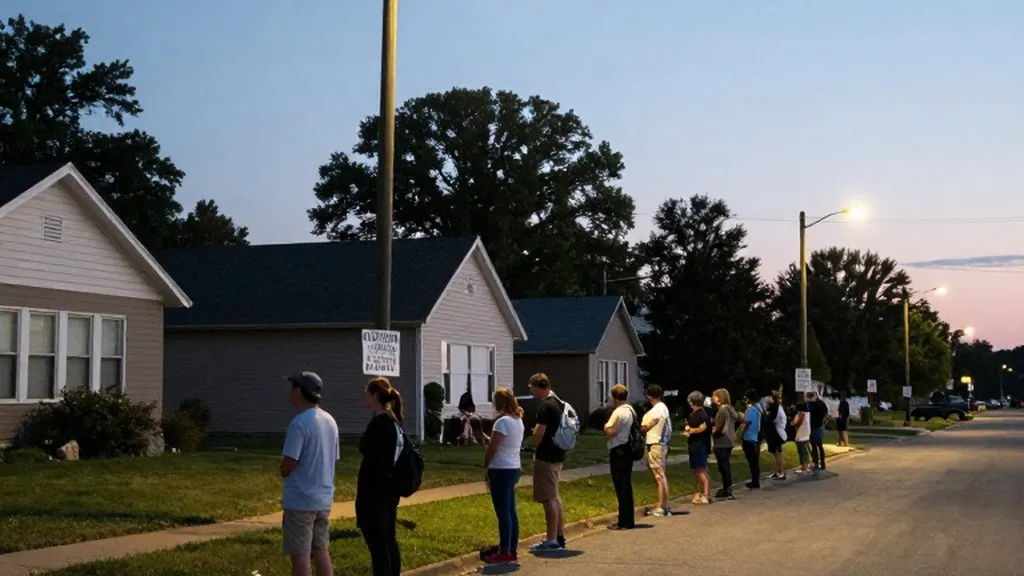
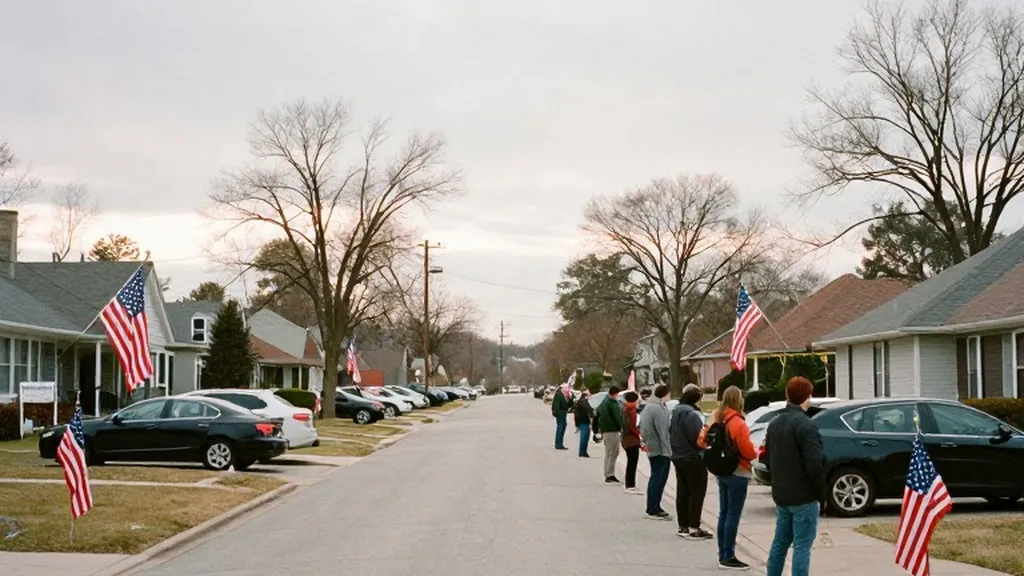
Voters across Central Indiana are casting ballots in Tuesday's general election, with polls open from 6 a.m. to 6 p.m. in the state's Eastern and Central time zones. Residents of Indianapolis, Fishers, Carmel, Noblesville, Greenwood and Westfield are heading to polling places to select their U.S. House representatives, state legislators and local officials. The day is pivotal because it determines which party holds the majority in Congress for the remaining two years of President Donald Trump's second term. This mid-term election serves as a critical checkpoint for the administration's agenda and the direction of the national economy.
According to Ballotpedia, all U.S. House seats in Indiana are on the ballot, alongside state Senate and state House races. In the federal chamber, 435 seats are up for grabs. Republicans currently hold 218 seats, while Democrats hold 214, with one independent seat and some vacancies. Democrats need to gain a net of three districts to secure a majority, whereas Republicans can afford to lose no more than two seats. The Associated Press notes that this election is being viewed as a referendum on the president's performance, particularly regarding economic issues that affect Central Indiana residents.
The economic landscape in the region is heavily influenced by the control of Congress. If Democrats gain the House, they could launch investigations into federal spending and oversight of industries that dominate the local job market. The Associated Press reports that House Democratic Leader Hakeem Jeffries has outlined a 100-day agenda focused on the cost of living and oversight, which could impact how state and local budgets are managed. Conversely, a Republican hold on the House would likely streamline the administration's legislative priorities. Voters in counties like Hamilton and Marion are weighing these implications as they mark their ballots.
In the U.S. Senate, 35 seats are at stake, though Indiana does not have a Senate race this year. Republicans hold 53 seats, and Democrats hold 45, plus two independents who caucus with Democrats. Democrats need a net gain of four seats to take control of the chamber. The Associated Press highlights that if Democrats win even one chamber, investigations and possible impeachment proceedings become more likely. This potential for increased scrutiny could affect federal funds flowing into Central Indiana projects, from infrastructure in the Indianapolis metro area to development in growing suburbs like Carmel and Fishers.
The mood among voters is shaped by high prices and concerns over the economy. The Associated Press cites AP-NORC polling showing that 35 percent of U.S. adults approve of President Trump's job performance, while only 25 percent approve of his handling of the economy. About seven in 10 respondents say the country is heading in the wrong direction. In Central Indiana, these national sentiments are felt locally as families in Greenwood and Westfield navigate rising costs. The Associated Press describes the election as a moment where voters are angry over an unpopular war with Iran and struggling with price increases, factors that are influencing their choices today.
Voter turnout has been significant, with more than 57 million people having already voted as of Monday, surpassing early vote totals from four years ago in many states. This high level of participation suggests that the outcome in key districts could be close. In Indiana, the race in the 4th Congressional District is being watched closely, with incumbent Republican Frank Mrvan facing Democratic challenger Rudy Yakym. The outcome of such races often signals the broader trend in the state, which has been a competitive battleground in recent years. Voters in Noblesville and other parts of the district are making their final decisions today.
The election also has implications for state leadership and local governance. While there is no governor race in Indiana this year, the election of state senators and representatives will shape the state's political balance for the next two years. The Associated Press notes that Republicans have held a majority of governorships since 2010, but Democrats are hoping to change that dynamic nationwide. In Central Indiana, local ballot measures and municipal elections in towns like Indianapolis and Fishers will also determine the direction of local policies, including those related to development and public safety.
Money is playing a significant role in the 2026 elections, which are likely to be the most expensive in history. The Associated Press reports that Republican committees have outraised and outspent Democratic committees, aided by Trump-affiliated groups. However, at the candidate level, Democrats have outraised their opponents. This financial battle is visible in the advertising across Central Indiana, with messages focused on economic stability and oversight. The Associated Press analysis of ad data shows that 88.1 percent of Republican general election TV ad spending went to states and districts Trump won in 2024, indicating a strategic focus on holding onto existing support.
As polls close, the attention of the nation turns to the results that will define the final two years of the Trump administration. The Associated Press notes that one or two seats could tip the balance in either chamber, making the election particularly close. For Central Indiana, the outcome will determine the level of federal oversight and the direction of economic policy. Whether the House or Senate falls to Democrats or remains with Republicans, the impact on the region's economy and local governance will be significant. Voters in the Indianapolis area are waiting for the first signs of what the next two years will hold.