Oil giants beat forecasts
ExxonMobil and Chevron posted record profits as war-driven price spikes and refinery output fueled third quarter gains.
By Paul Davidson ·
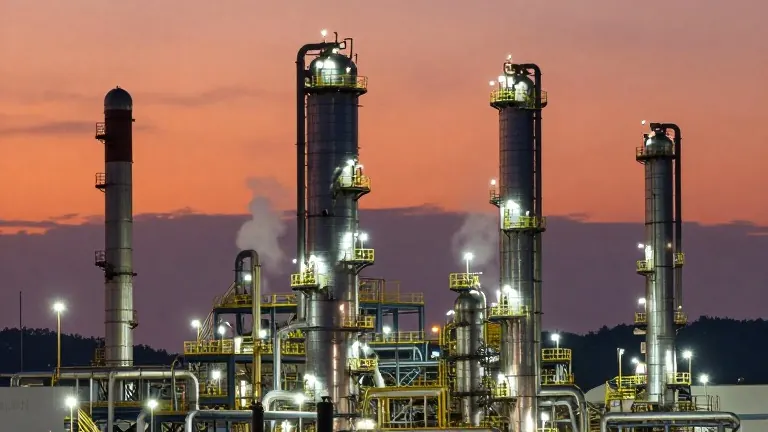
ExxonMobil and Chevron both exceeded Wall Street profit expectations in the third quarter, driven by elevated fuel prices and record production levels. The results reflect a market strained by geopolitical conflicts in Iran and Ukraine, which have pushed crude oil costs above the $100 per barrel mark.
ExxonMobil reported net income of $3.72 per share, more than double the prior period. On an adjusted basis, profit reached $4.23 per share, surpassing the average analyst estimate of $4.12. Revenue for the three months ending in September climbed 33% to $113.16 billion. The company also increased its quarterly dividend to $1.07 and authorized a $20 billion stock buyback plan.
Chevron, the second-largest U.S. oil producer, earned $9.9 billion, or $5.06 per share. Revenue surged 36% to $67.8 billion. The company noted that its results now include one month of production from Venezuela, where it announced a $7 billion investment plan last month. Chevron’s U.S. refineries operated at 98% utilization, processing over 1 million barrels of crude daily.
The spike in costs has reached consumers directly. Diesel prices currently stand at approximately $6.32 per gallon, a 71% increase from last year. Regular gasoline prices have risen about 38% over the same period. AAA data shows diesel surpassed the $6 threshold last month, a historic high. In response, some state officials have implemented gas tax holidays to alleviate the financial burden on drivers.
Supply disruptions remain a central factor. The conflict with Iran has restricted shipping through the Strait of Hormuz, a waterway that previously handled a fifth of global oil and natural gas flows. Brent crude prices hovered near the upper end of their range, having peaked close to $120 in March. The Group of Seven nations announced plans this month to release 100 million barrels of oil and fuel products, with diesel comprising a substantial portion of that release.
Political maneuvering continues amid the energy crunch. President Donald Trump announced a deal to secure diesel from Russia earlier this month, aiming to curb soaring costs before the U.S. midterm elections. Congress has criticized the arrangement as funding Russia’s war against Ukraine and violating existing laws. Despite legislative pushback, the first tanker carrying Russian diesel departed for the United States a week ago.
Corporate leaders pointed to strategic investments for their strong performance. Darren Woods, ExxonMobil’s chairman and CEO, cited refinery expansions, including the Beaumont facility in Texas, which boosted distillate production by roughly 40% since 2019. Mike Wirth, Chevron’s chairman and CEO, said the company signed agreements to cut Bakken midstream costs by about 50%. Chevron increased its holdings in North Dakota and Montana following its $53 billion acquisition of Hess Corp. last year.
Shares of ExxonMobil rose 1.3% in morning trading, extending a 64% gain over the past 12 months. Chevron stock climbed 1.8%. Both companies maintained high output in key regions, with Exxon reporting 100% utilization at its U.S. Gulf Coast refineries and the second-highest diesel production on record.
Source: Boston Herald
More Business · Business Complaints · Report a business · Got a Story?