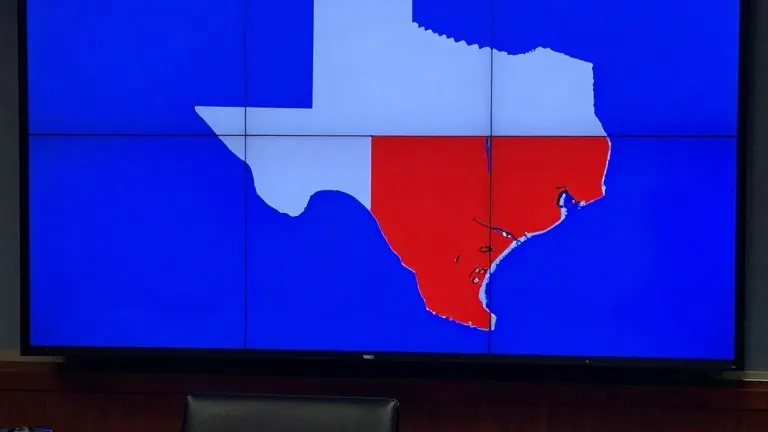
GOP Loses Control Of Indiana Legislature
Democrat Beau Bayh wins Secretary of State, and J.D. Ford defeats Victoria Spartz in the 5th District, ending the Republican supermajority.
By Tristan Parker ·
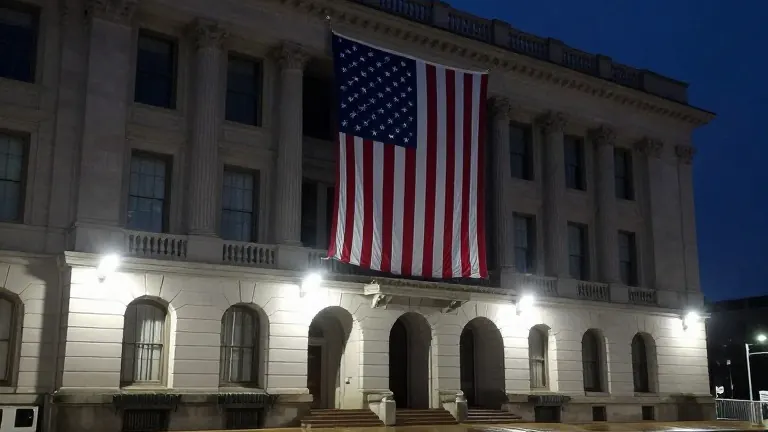
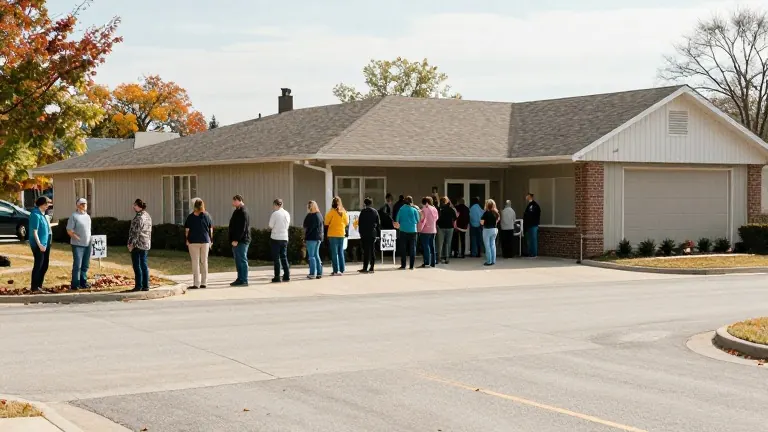
Election night brought sweeping losses for the Republican Party in Central Indiana. The party lost its long-standing legislative supermajority in the statehouse. Democrats also captured key statewide and congressional seats. The results reflect a national trend where suburban voters mobilized against the President.
In the race for Indiana Secretary of State, Democrat Beau Bayh defeated the Republican incumbent. In the 5th Congressional District, J.D. Ford won the seat previously held by Victoria Spartz. These victories removed the GOP from the majority position in both chambers of the state legislature. The shift removes a structural advantage that allowed the party to pass major bills with less opposition.
Tony Katz, a local political analyst, described the night as a "shellacking" for Republicans. He noted that the losses extended from Capitol Hill down to local races across the state. Katz stated that he deals with the results by accepting them, noting that Republicans had a bad night. He emphasized that the outcome was driven by raw emotion rather than a deep ideological shift to progressive policy.
Dr. Martin Sweet, a political scholar, characterized the election as a "nationalized" event. He explained that the wave of support for Democrats was not based on voters embracing new left-wing platforms. Instead, the voting pattern showed a repudiation of the Republican Party across ideological lines. Moderates and staunch conservatives alike voted for Democratic candidates in high numbers.
Exit polling data cited by Katz suggests that pocketbook issues were the primary driver of this protest vote. Inflation, gas prices, and grocery costs played a central role in voter decision-making. Katz argued that if economic indicators like gas prices had dropped significantly, the outcome might have looked different. The current results align with historical midterm patterns where the party holding the White House faces a backlash.
The loss of the supermajority creates a new dynamic for the 2028 presidential primary. The defeat shatters the idea of an uncontested nomination for Vice President J.D. Vance. Other potential candidates, including Ron DeSantis, Glenn Youngkin, and Nikki Haley, now have a clearer path to challenge the Vice President in the Republican primary field.
Source: WIBC · original report published
More Politics · Indianapolis news · Report a business · Got a Story?