Global Image Fades From Israeli Election Debate
With voting set for tomorrow, most Israelis prioritize security over diplomatic standing, despite a median 67% unfavorable view of the country abroad.
By Tristan Parker ·
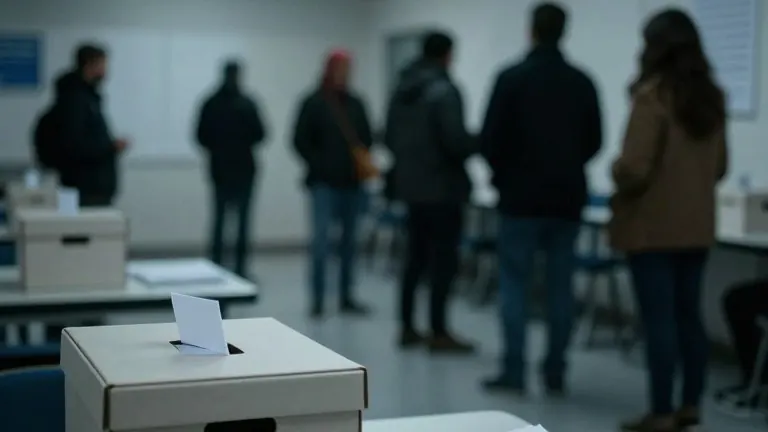
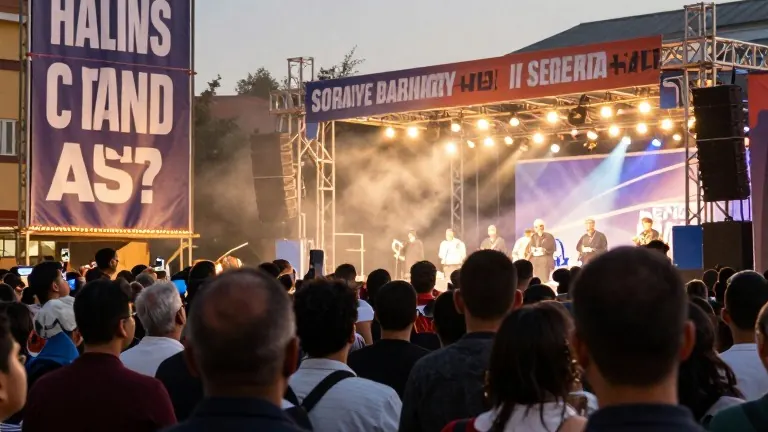
The deterioration of Israel's global standing is barely a factor in the election scheduled for October 27. While the country's international image has plummeted, domestic voters are focused on other priorities. This disconnect between foreign perception and local voting behavior defines the current political atmosphere.
A Pew poll conducted from February to May 2026 found that a median of 67% of adults across 36 countries held an unfavorable view of Israel. This sentiment coincides with rising diplomatic friction. Some world leaders have described Israel's military actions in Gaza as disproportionate. Hostility from Israeli settlers in the West Bank has also led some allies to reconsider their support or impose sanctions.
Yaakov Katz, a senior fellow at the Jewish People Policy Institute, notes that while there are complaints about the government's explanatory efforts, most Israelis view the situation as beyond their control. "There is the argument that Netanyahu makes, which is that no matter what we do, the whole world's against us," Katz said. He added that many voters accept this narrative because they believe global antisemitism would rise regardless of policy choices.
Ofir Dayan, a senior fellow at the Institute for National Security Studies at Tel Aviv University, agrees that voters are aware of international concerns but treat them as secondary. "Israeli voters are very much one-issue voters, and the issue in this election is security," Dayan said. She explained that the memory of the October 7, 2023, Hamas-led attack remains dominant, preventing voters from shifting their choices based on diplomatic positions.
Peter Lerner, a former Israel Defense Forces spokesman, stated that Israel's international standing is secondary to two main factors: the preference for or against Prime Minister Benjamin Netanyahu, and the ideological divide between the left and the right. He observed that public discussion of diplomatic strategy is rare and usually takes a backseat to these primary concerns.
Few of the dozen or so parties expected to win Knesset seats have proposed specific plans to improve public diplomacy. The B'Yachad Party, led by Naftali Bennett and Yair Lapid, proposes elevating the importance of Diaspora Jewry by allowing a non-voting observer in the Knesset to focus on these issues. Amcha Yisrael, led by former Brig. Gen. Ofer Winter, includes Yoseph Haddad and Fleur Hassan-Nahoum on its list, with Haddad expressing interest in a public diplomacy minister role.
Journalist Eylon Levy, a former government spokesman, argued that public diplomacy is not a primary goal for most candidates. He noted that the far right, represented by the Otzma Yehudit Party, aims to appear tough, while the left believes normal behavior will restore relations. "The question is whether an alternative government would suddenly magically boost Israel's international standing; I don't think it will," Levy said. He added that a more moderate government might buy Israel some goodwill among its less-than-friendly allies.
Source: The Jerusalem Post