33 days: The growth speed behind Denmark's push to ban turbo chickens
A documentary alleging lighting violations at a major poultry farm has triggered a cross-party call for a national and EU-wide prohibition on the Ross 308 breed.
By Paul Davidson ·
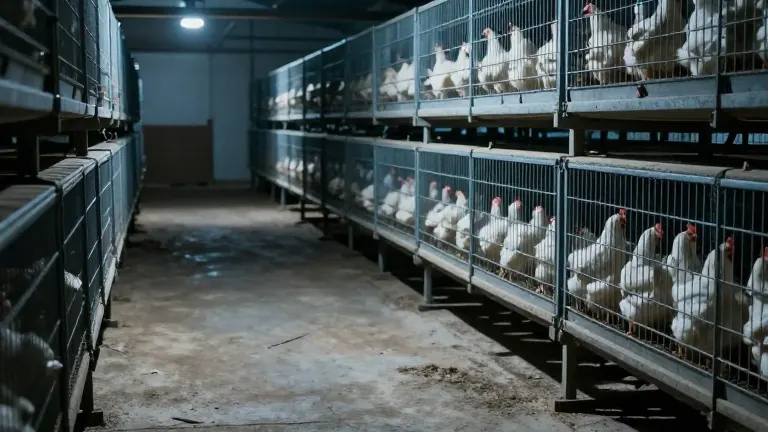
The Ross 308 chicken reaches market weight in 33 days, a speed that is driving Denmark to seek a ban on the breed.
The Danish government is now pursuing a national prohibition on what it calls turbo chickens while simultaneously lobbying for a similar restriction across the European Union. This policy shift follows a TV2 documentary aired last week that exposed potential legal violations by Christian Tvergaard, a major poultry producer in North Jutland. The investigation revealed that Tvergaard gave his birds only half the required daily darkness to stimulate eating, a practice that accelerates growth at the cost of animal health.
The Ross 308 is the dominant breed in Danish poultry production. It grows from approximately 50 grams to 2 kilograms in 33 days. Other standard breeds require between 46 and 63 days to reach the same weight. This rapid development often causes skeletal and organ issues in the birds.
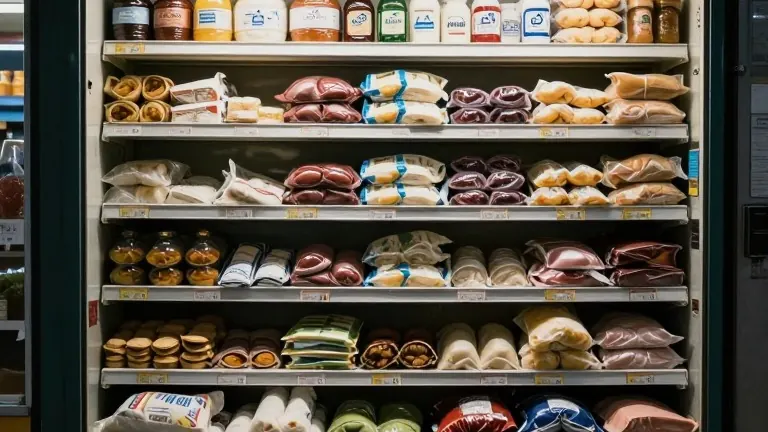
Christian Rabjerg Madsen, Denmark’s minister for nature and animal welfare, has publicly discouraged consumers from buying turbo chickens. He stated to the broadcaster: “I want to work for a national ban. But it’s clear that this is something that needs to be investigated both legally and economically.” He confirmed that the ministry is working toward both a national ban and an EU level ban.
Tvergaard admitted to making wrong decisions following the release of the documentary. He told TV2: “I look inward and must admit that I have made some wrong decisions. There is no excuse for that, but I can learn from it and correct where I have not done well enough.” He noted that the lighting program and stable workflows have been tightened in response.
The proposal is gaining cross-party political support, but industry leaders warn that a domestic ban could be ineffective without addressing imports. Klement Hinkbøl Ribergaard, chief executive of chicken producer Danpo, warned that if Denmark bans local production while allowing imports, animal welfare may not benefit. He said: “If Denmark alone bans the production of fast-growing chickens while shops, restaurants and consumers in the Danish market can continue to buy imported, fast-growing chicken of more or less questionable quality, we risk a situation in which animal welfare certainly does not benefit.”
Advocacy groups argue that fast-growing breeds are inherently prone to suffering. Reineke Hameleers, chief executive of Eurogroup for Animals, stated: “Fast-growing breeds are inherently predisposed to suffering, with their bodies growing so quickly they can barely stand on their legs.” Britta Riis, chief executive of Animal Protection Denmark, called the breeding process a “deeply unethical and grotesque form of breeding.” Her organization is pushing for all chickens to be raised for 56 days, matching the timeline for organic breeds.
Animal welfare remains a dominant theme in Danish politics, having shaped the recent general election. The country is also scheduled to stop mink farming by August 2029 after the current government declined to seek an EU exemption for the practice.
Source: The Guardian