Nevada manufacturers save costs by targeting weak points in packaging lines
Gradual modernization allows businesses to update specific components rather than replacing entire systems, reducing financial strain and production downtime.
By Jisoo Kim ·
Manufacturers in Nevada are increasingly opting to upgrade specific components of their packaging lines rather than replacing entire systems. This targeted approach allows facilities to modernize equipment while managing expenses and maintaining reliable production.
Replacing an entire packaging line often imposes a heavy financial burden due to high machinery costs and installation interruptions. By addressing weak points individually, businesses can preserve functional machinery and focus investments on areas that require attention.
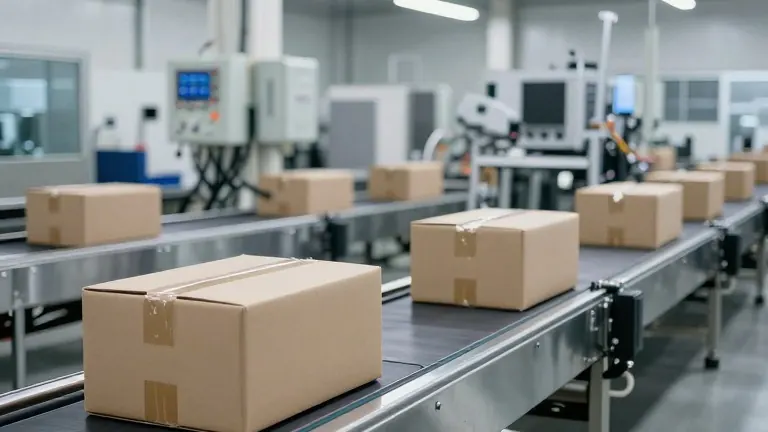
The first step in this process involves evaluating existing systems. Businesses must identify production bottlenecks where one part of the line cannot keep pace with surrounding equipment. For example, a conveyor might deliver products faster than a wrapping machine can process them, creating backups that strain other machinery.
Owners are advised to observe production during normal operating hours to document recurring delays. Equipment operators can also point out machines that require frequent adjustments. Understanding these issues helps companies direct funds toward improvements that yield measurable benefits.
Older machinery does not automatically require replacement. A conveyor that operates reliably may remain useful for years with proper maintenance. Companies should review equipment age, maintenance records, repair expenses, and the availability of replacement parts. They must also determine if existing units can accommodate newer technology.
Once limitations are identified, businesses can implement targeted upgrades. Improving conveyor performance often involves replacing worn rollers, servicing motors, or updating controls. Adjustable-speed drives can regulate product movement, while sensors help conveyors respond to changing conditions. For instance, a sensor can detect when a downstream station is unavailable and temporarily stop incoming products.
Packaging machines that handle sealing and pallet preparation may also benefit from mechanical or electrical upgrades. Updated controls or replacement components can improve reliability. If a machine no longer meets production requirements, replacing that single unit may offer better value than rebuilding the entire line.
Integrating new equipment requires careful planning to ensure compatibility with existing systems. Businesses must compare new equipment requirements with the capabilities of current conveyors. Key factors include conveyor speed, weight capacity, floor space, and product dimensions. A new wrapping machine must accept products at a rate that matches the conveyor system and provide sufficient clearance for safe handling.
Coordinating equipment controls is also essential. Machines on the same line need a reliable way to communicate. If a packaging station stops unexpectedly, the feeding conveyor must respond appropriately to prevent product accumulation. Technicians can connect newer machinery to older systems using compatible controllers or communication interfaces. Qualified specialists should oversee these changes to maintain safety functions.
Financial planning plays a central role in gradual modernization. Owners must account for installation expenses, training, maintenance, and potential production losses. Comparing annual repair costs with replacement costs helps determine if a machine justifies a new purchase. If a unit requires frequent service or causes substantial interruptions, replacement may provide better long-term value.
Companies should estimate potential savings from improvements, such as reduced material waste and fewer production interruptions. After installation, managers must compare production performance with earlier records. They can measure hourly output, track equipment interruptions, and monitor packaging material use to verify that the upgrade delivers expected savings.
Testing each upgrade under normal working conditions before expanding the project allows businesses to adjust based on real results. If an upgraded conveyor eliminates a recurring bottleneck, the company may not need additional changes immediately. If problems continue, managers can use actual operating data to identify the next improvement.
Source: Mesquite Local News
More Business · Business Complaints · Report a business · Got a Story?