Kansas elects first Democratic senator since 1932
Pastor Adam Hamilton defeats incumbent Republican Roger Marshall in a costly and contentious race.
By Paul Davidson ·
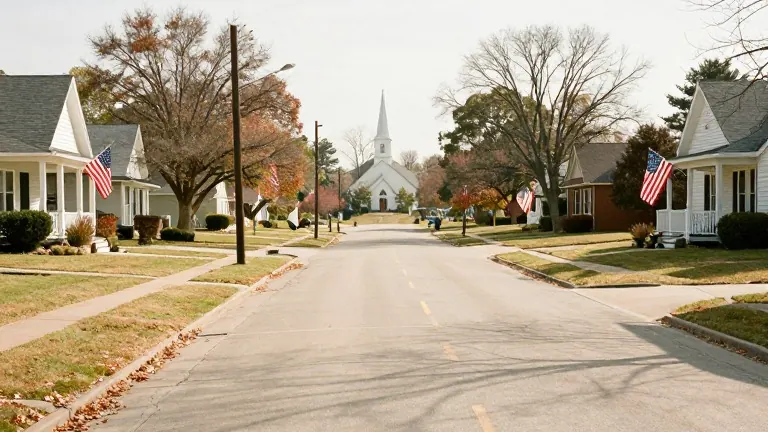
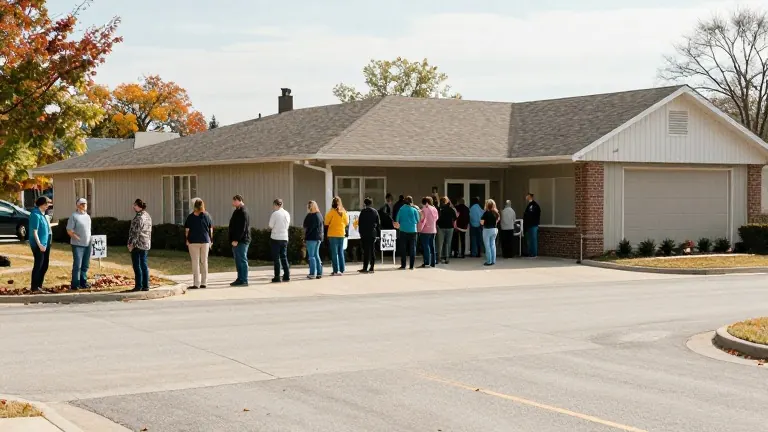
Voters in Kansas chose Democrat Adam Hamilton for the U.S. Senate on Tuesday, ending an 89-year run of Republican representation in the chamber. This marks the first time the state has sent a Democrat to Washington for the upper house since 1932.
Hamilton, who serves as the pastor of the largest United Methodist church in the country, campaigned on a moderate platform that emphasized listening to voters on both sides of the aisle. He described himself as an independent-minded Democrat, a label that helped him distance his campaign from national party leadership while still securing the Democratic nomination.
The contest became the most expensive Senate race in Kansas history. Hamilton broke multiple fundraising records during the campaign, outspending his opponent significantly. Previous Senate races in the state, such as the 2020 election where Marshall won by more than 11 percentage points, had been less competitive and less costly.
The race featured sharp personal attacks from both camps. Marshall, a former OB-GYN, faced scrutiny after reports that he sued 700 former patients for medical debt. Hamilton's campaign highlighted one of those cases in an attack ad. In response, that patient sued Marshall five days before Election Day, alleging a predatory interest rate.
Marshall's campaign focused heavily on a past incident involving Hamilton's church camp. A volunteer allegedly sexually abused boys at the camp in one year and returned the following year to do so again. Court records indicated the church's initial investigation was inconclusive. Hamilton stated in a debate that he was not involved in the decision to allow the volunteer back, though he later said church leaders should have called police after the first report.
Local voters cited Hamilton's independent stance as a key factor in their decisions. Andi Welch, a resident of Johnson County who does not always vote for Democrats, said she supported Hamilton because she believed he would be fair. Welch added that she trusts him to look out for Kansas citizens rather than national party interests.
National Republicans visited the state twice this season, betting that undecided voters leaned toward President Trump. However, polls from Emerson College showed Hamilton maintaining a lead, with the margin widening after the presidential visits. Despite taking $5 million from a political action committee linked to Senate Minority Leader Chuck Schumer, Hamilton said he would not support Schumer for another leadership role.
The election result demonstrates that Kansas remains a competitive state at various levels of government. Voters have previously elected moderate Democrats to the governor's office, including one who was reelected in recent years. Hamilton's victory reflects a shift in the state's political dynamics following a high-stakes contest.
Source: WBAA · original report published
More Politics · Indianapolis news · Report a business · Got a Story?