Florida voters weigh $250,000 property tax exemption against local service cuts
Amendment 3 seeks to exempt up to $250,000 of home value from taxes, a move that could cut nearly $12 billion in state revenue.
By Paul Davidson ·
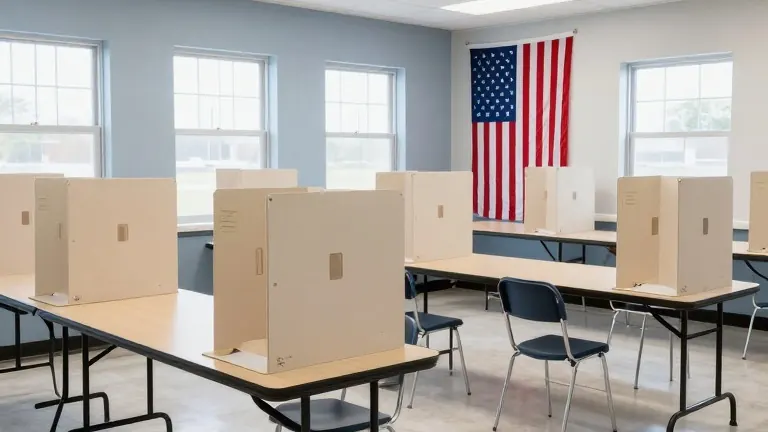
Florida residents go to the polls on Tuesday to decide on Amendment 3, a ballot measure that would increase the homestead property tax exemption from $50,000 to as much as $250,000 over two years. The proposal aims to reduce or eliminate non-school property taxes for many homeowners, a change that supporters call essential for affordability.
The measure has split the state as voters weigh immediate savings against potential cuts to public services. Local governments rely heavily on property tax revenue, and the amendment would reduce that income by nearly $12 billion on a recurring basis, according to the state's Office of Economic and Demographic Research.
In Jacksonville, the Florida Policy Institute estimates the city could lose up to $372 million over the next five years. Mike Weinstein, Jacksonville's chief administrative officer, said the city's $2 billion budget relies on about $1 billion in property taxes. He noted that services such as mosquito control, road surfacing, libraries, and parks would face funding shortfalls.
Weinstein argued that the amendment would force local leaders to choose between essential services and administrative costs. He stated that the city might need to expand its complaints department instead of maintaining infrastructure or social programs. "A small segment of homeowners will benefit from this. But the majority of people, renters, business owners, and many homeowners, won't see any benefit," Weinstein said.
Proponents, including Governor Ron DeSantis and the Florida Realtors association, argue that property tax revenue has grown out of control. Margy Grant, CEO of Florida Realtors, said property tax revenue in Florida nearly doubled from $32 billion in 2019 to almost $60 billion in the last fiscal year. She attributed the increase to a post-pandemic real estate boom and high property values.
Grant said the amendment ensures that homeowners who have seen their tax bills rise can afford to stay in their homes. The Florida Realtors organization has invested $19.5 million in a campaign supporting the measure. "This is tax relief money that stays in a Floridian's pocket instead of going to the government," Grant said.
Rachel Dues, a 54-year-old disabled veteran and notary in Jacksonville, is campaigning for a "no" vote. She does not own a home and relies on food pantries and utility assistance programs that could be cut if the amendment passes. Dues said she feels the amendment is a bait and switch that helps some in the short term but hurts many in the long run.
Dues helped organize phone banking sessions for Florida Rising, a grassroots nonprofit. On a recent evening, volunteers made nearly 1,500 calls to urge neighbors to vote down the measure. Dues said she worries about how renters and small businesses will handle increased costs if local governments shift the financial burden to other taxes or fees.
The amendment requires a supermajority of 60 percent to pass. Critics warn that cutting property tax revenue will lead to deficits in public safety, infrastructure, and social services. They point out that Florida is one of 11 states that have reined in property taxes so far in 2026, but Florida's proposal is more expansive than those in other states.
Voters will also decide how the tax exemption is distributed, as the amendment limits which homeowners qualify based on when they purchased their property. The outcome of Tuesday's vote could influence property tax policy in other states looking to address housing affordability concerns.
Source: WBAA · original report published
More Politics · Indianapolis news · Report a business · Got a Story?