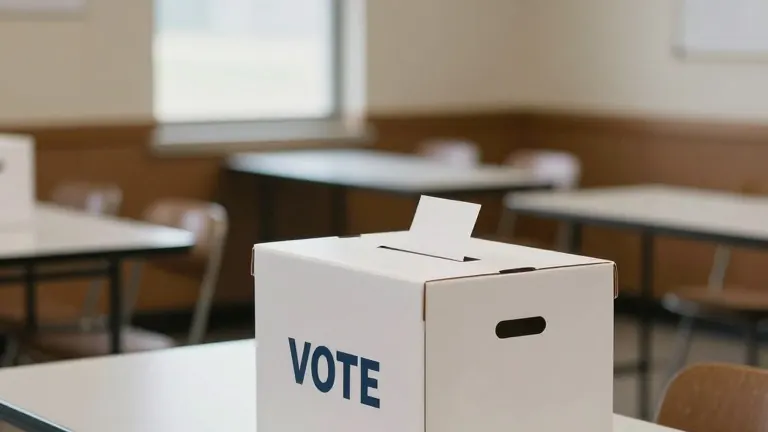
Democrats Favored to Take House as Midterm Polling Shifts
Historical trends and current economic dissatisfaction position Republicans to lose an average of 35 seats, though structural barriers limit potential Democratic gains.
By Tristan Parker ·

Residents of Central Indiana and across the country face a midterm election where historical patterns suggest a shift in power away from the party currently holding the White House. With President Trump facing low approval ratings and high opposition, the political environment has turned against his party. Voters are increasingly blaming the administration for rising prices on goods and energy, a trend that has intensified since his return to office in 2024. This economic pressure is a primary driver of the current political momentum.
The economy presents a divided picture for many Americans. Wealthier households benefit from rising stock portfolios driven by artificial intelligence companies, while many regular Americans struggle with inflation outpacing wage growth. High interest rates make purchasing homes and cars more difficult. A recent NPR/PBS News/Marist poll found that 38% of respondents said their economic situations have worsened, while only 15% said they have improved. Another 44% reported no change. These financial struggles, combined with disapproval of immigration enforcement and healthcare program cuts, are angering swing voters.
History favors Democrats in this cycle. Since World War II, the president’s party has gained seats in the House during midterm elections only twice. When a president’s approval rating falls below 50%, as it has for Trump, their party has lost an average of 35 seats. Trump has acknowledged this trend at campaign events. Democrats have also performed well in recent special and off-year elections, positioning them to win control of the House and potentially the Senate. This represents a departure from earlier expectations in this cycle that considered a Senate win unlikely.
Structural factors, however, limit the scale of potential Democratic gains. There are approximately 30 fewer competitive districts this year than in 2018, when Democrats won more than 40 seats. Mid-decade redistricting has provided an estimated eight-seat advantage for Republicans. Depending on voting patterns in South Texas, particularly among Latino voters, these gains may vary. Additionally, while Democratic socialists are highly engaged and motivated to vote against Trump, the party faces internal challenges in unifying its base.
Republican turnout will be the deciding factor. Trump has campaigned in red states to urge his base to vote, aiming to prevent small Democratic pickups in the Senate from turning into larger ones. If Democrats do not win the House, it would represent a major polling error. The 2028 presidential race will begin immediately after these midterms, with candidates likely to announce their intentions in January or February.
Voters should expect delays in results. While most races will be called on election night, some key contests, particularly in the Senate, may take days or weeks to resolve. Trump has already laid groundwork for potential claims of rigged elections, a pattern seen after previous unfavorable results. A quarter of Republicans in recent polls said their candidate likely should not accept the results if the election is close. This creates a possibility of chaos and misinformation in the aftermath.
Source: WBAA · original report published
More Politics · Indianapolis news · Report a business · Got a Story?