Salmon Shortage Fuels Alaska Senate Battle
Indigenous voters in the Kuskokwim region blame industrial trawlers for missing fish, turning a local ecological crisis into a national political fight.
By Paul Davidson ·
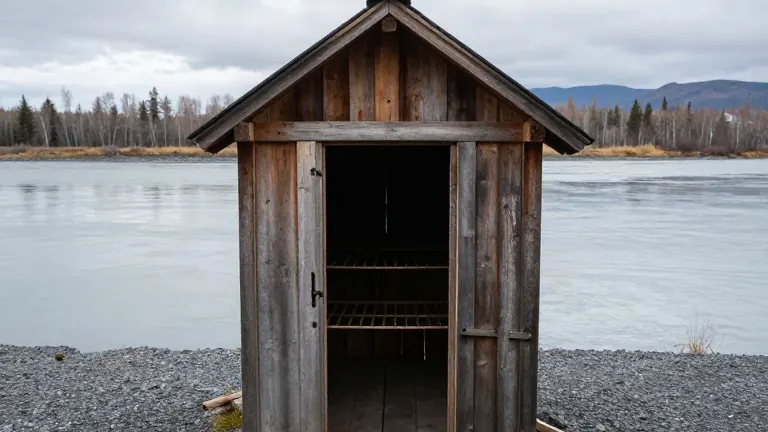
In the remote village of Kwethluk, Alaska, the drying racks in local smokehouses sit empty. This lack of fish has become a central issue in the tight U.S. Senate race for the state. The conflict centers on the return of salmon to the Kuskokwim River, a decline that has deeply affected Indigenous communities who rely on subsistence fishing.
Evon Waska lives at the water's edge where his parents settled. He operates a smokehouse that should be filled with fish. Instead, the racks are bare because too few salmon have returned from the Bering Sea. Government agencies often close the river to protect fish populations. These closures affect families like Waska's who fish primarily for food. Waska blames industrial trawlers operating miles offshore for the decline.
"They don't close the trawlers. They close me and my people first," Waska said.
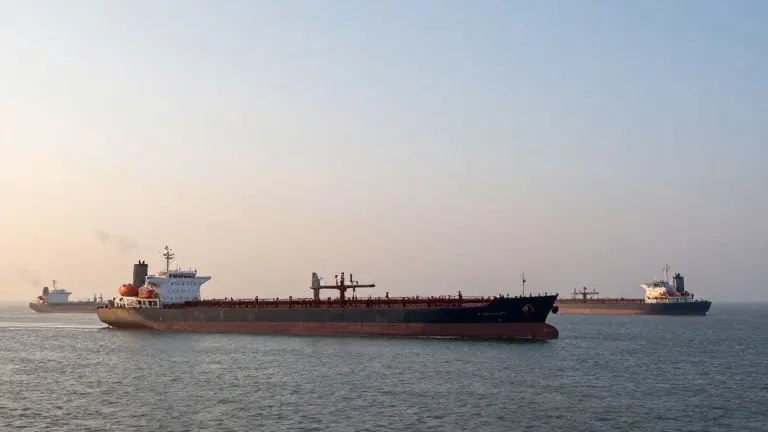
The pollock industry, valued at $1 billion, is a major target of local anger. Much of this industry is based in Seattle. Trawlers use large nets to catch pollock, a white fish often served as imitation crab. These nets also capture king salmon and other species by accident. This unintended catch is known as bycatch. Alaskans are increasingly frustrated by this waste as the Senate race approaches.
Political ads in the state focus heavily on the fishing issue. Republican incumbent Dan Sullivan has historically supported the pollock industry. This year, he is promoting a new bill aimed at reducing bycatch and protecting seafloor habitats. "It's the most comprehensive bycatch legislation ever to reduce bycatch, protect seafloor habitat," Sullivan said.
Democratic challenger Mary Peltola is Indigenous and from the Kuskokwim region. She proposes banning factory trawlers, which are the largest vessels in the pollock fleet. Peltola argues that Sullivan's new legislation is a strategic move made just before the election. "Dan Sullivan reeled in over $300,000 from trawlers and waited until the 11th hour for a half-hearted and half-baked solution," Peltola said.
Heather Mann, who leads a trawlers association, contends that blaming the pollock fishery will not solve the problems in western Alaska. She cites scientific data suggesting that eliminating pollock trawling would have a minimal impact on restoring salmon runs. Mann argues that the industry is being used as a scapegoat in the political debate.
This year, pollock trawlers report catching 40,000 Alaska salmon. While this number is small compared to the total pollock harvest, it is significant to local villages. In Kwethluk, subsistence fishing is the primary occupation and a core part of the culture. Tribal president Mary Nikolai recently visited a neighbor's cold smokehouse that had not been used all summer.
"Most of the smokehouses are like this. And it's like a slow trend of closing our workforce out," Nikolai said.
Source: WBAA · original report published
More News · Indianapolis news · Report a business · Got a Story?